Pergola vs Gazebo Difference Explained
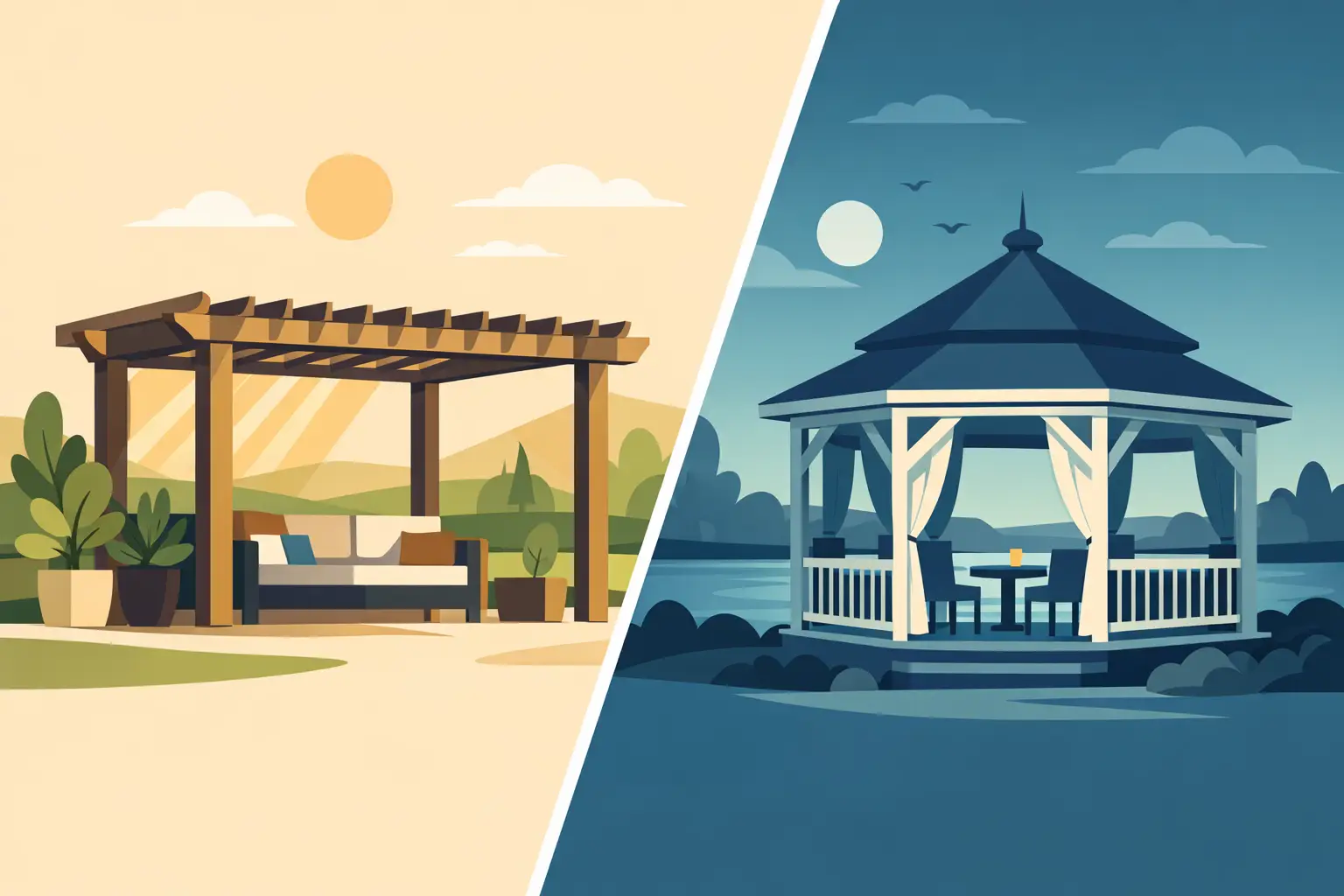
A beautiful backyard can fall flat if the structure anchoring it does not match the way you actually live. The pergola vs gazebo difference matters because these two outdoor features create very different experiences – one is open, architectural, and airy, while the other is sheltered, enclosed, and built for fuller coverage. If you are planning a refined outdoor upgrade, understanding that distinction will save you money, space, and second-guessing.
Pergola vs gazebo difference at a glance
The fastest way to separate the two is by looking up. A pergola typically has an open roof made of beams or slats, which creates filtered light rather than full protection. A gazebo usually has a solid, fully covered roof and a more self-contained shape, often round, octagonal, or square.
That single design difference changes almost everything else. Pergolas feel integrated into the landscape and are ideal for defining a patio, outdoor dining area, or poolside lounge without closing it off. Gazebos feel more like outdoor rooms. They offer stronger shade, better shelter from light rain, and a more traditional focal point.
Neither is automatically better. The right choice depends on whether you want openness or coverage, structure or enclosure, visual framing or a destination-style retreat.
What a pergola is designed to do
A pergola is less about complete protection and more about shaping space with style. It adds vertical lines, architectural interest, and a premium resort-like look to a yard or terrace. Because the roof is open or partially open, it allows sunlight to move through while still softening the intensity.
That makes pergolas especially appealing for homeowners who want an elevated outdoor setting without making it feel heavy. A pergola can define an outdoor dining zone, create a polished frame over a sectional, or add sophistication to a garden path. It often feels cleaner and more contemporary than a fully roofed structure.
There is a practical side to that elegance. Pergolas tend to work well in spaces where you still want airflow and brightness. If your patio already gets partial shade from trees or the side of the house, a pergola can be enough to make the area more usable without overbuilding it.
Still, the openness comes with limits. A pergola does not give the same weather protection as a gazebo unless you add a canopy, retractable cover, or curtains. For some buyers, that flexibility is a plus. For others, it means more add-ons and more decision-making.
What a gazebo is designed to do
A gazebo is built for stronger shelter and a more enclosed outdoor feel. Its covered roof creates dependable shade, and its freestanding design often turns it into a destination within the yard rather than an extension of another surface.
If you picture outdoor gatherings that continue even when the sun is intense or a light drizzle starts, a gazebo makes more sense. It creates a sense of arrival and comfort that is hard to replicate with an open-top structure. That is one reason gazebos are popular for entertainment areas, hot tub covers, backyard lounges, and garden seating.
Gazebos also tend to feel more classic and decorative. They can bring charm to traditional homes and landscaped yards, especially when the goal is to create a standout feature rather than a minimalist frame.
The trade-off is visual weight. Because a gazebo has a full roof and often a more substantial footprint, it can dominate a smaller yard. In compact spaces, that can make the area feel fuller than intended. It also usually means a higher material cost and a more involved installation.
Roof design is the biggest difference
When people ask about the pergola vs gazebo difference, roof design is the real dividing line. A pergola roof is intentionally open, even when it includes closely spaced rafters or decorative slats. A gazebo roof is intentionally closed to provide full overhead coverage.
That difference affects comfort more than many shoppers expect. Under a pergola, the experience changes throughout the day. Morning light filters through differently than afternoon light, which can be beautiful if you enjoy a more natural, layered outdoor atmosphere. Under a gazebo, the shade is steadier and more predictable.
If you live in a hot, sunny climate, a gazebo may offer better everyday comfort. If you want a lighter, more design-forward look and do not mind some sun exposure, a pergola often feels more refined.
Style, mood, and curb appeal
Pergolas and gazebos send different visual signals. A pergola feels modern, tailored, and versatile. It blends especially well with contemporary patios, clean-lined furniture, and outdoor spaces designed around entertaining. It can make even a simple backyard look more curated.
A gazebo leans more classic, romantic, and traditional. It creates a stronger focal point and can add storybook charm or estate-style character depending on the material and finish. In the right setting, it feels substantial and luxurious.
This is where personal taste matters. If your home and outdoor decor favor sleek silhouettes, neutral tones, and open layouts, a pergola will often look more natural. If your property has more formal landscaping, ornamental details, or a garden-centered layout, a gazebo may feel more complete.
The best outdoor structures do not just fit the yard. They support the lifestyle image you want the space to project.
Placement and how each structure functions
Pergolas are often attached to a home or placed directly over an existing deck or patio. They excel at extending living space outward. In that role, they can make a backyard feel like a polished continuation of the interior.
Gazebos are usually freestanding. They can sit at the edge of a garden, near a pool, or in a dedicated seating area away from the house. That separation gives them a retreat-like quality, which many homeowners love.
Functionally, this changes how you use the space. A pergola works beautifully for casual dining, everyday lounging, or creating a stylish transition zone. A gazebo often works better for a central gathering spot where coverage is a priority.
Think about movement as well. If you want guests to flow easily from kitchen to patio to dining area, a pergola often fits that rhythm better. If you want a distinct outdoor destination with a sense of privacy, a gazebo may be worth the extra footprint.
Cost, maintenance, and long-term value
Price varies by size, materials, and installation, but pergolas are often more affordable at the entry level because they use less roofing material and can be structurally simpler. That said, premium pergolas with motorized canopies, integrated lighting, or high-end aluminum construction can move into luxury price territory quickly.
Gazebos generally cost more because they are more enclosed and roofed. The stronger shelter can justify the added investment, especially if you plan to use the space frequently across seasons.
Maintenance depends heavily on material. Wood offers warmth and craftsmanship but needs more care. Metal and composite options can deliver a cleaner, lower-maintenance experience. Whatever you choose, long-term value usually comes from matching the structure to your actual habits. A less expensive pergola that leaves you avoiding the patio in peak heat is not a better value. A gazebo that overwhelms your yard is not either.
Which one should you choose?
Choose a pergola if you want an outdoor feature that feels open, elegant, and design-driven. It is often the right fit for people who care as much about atmosphere as function and want to create a high-end entertaining space with a lighter visual footprint.
Choose a gazebo if your priority is fuller shade, stronger shelter, and a more defined outdoor room. It makes sense for households that plan to spend long stretches outside, host often, or want a structure that feels more protective and self-contained.
If you are still undecided, ask a simpler question. Do you want to frame outdoor living, or do you want to cover it? That answer usually points you in the right direction.
For shoppers building a more polished home environment, this decision is less about labels and more about the experience you want every time you step outside. A well-chosen structure can turn an ordinary yard into a more refined part of daily life – and the right one will feel right the moment you use it.









Leave a comment