7 Designer Bathroom Upgrades That Feel Luxe
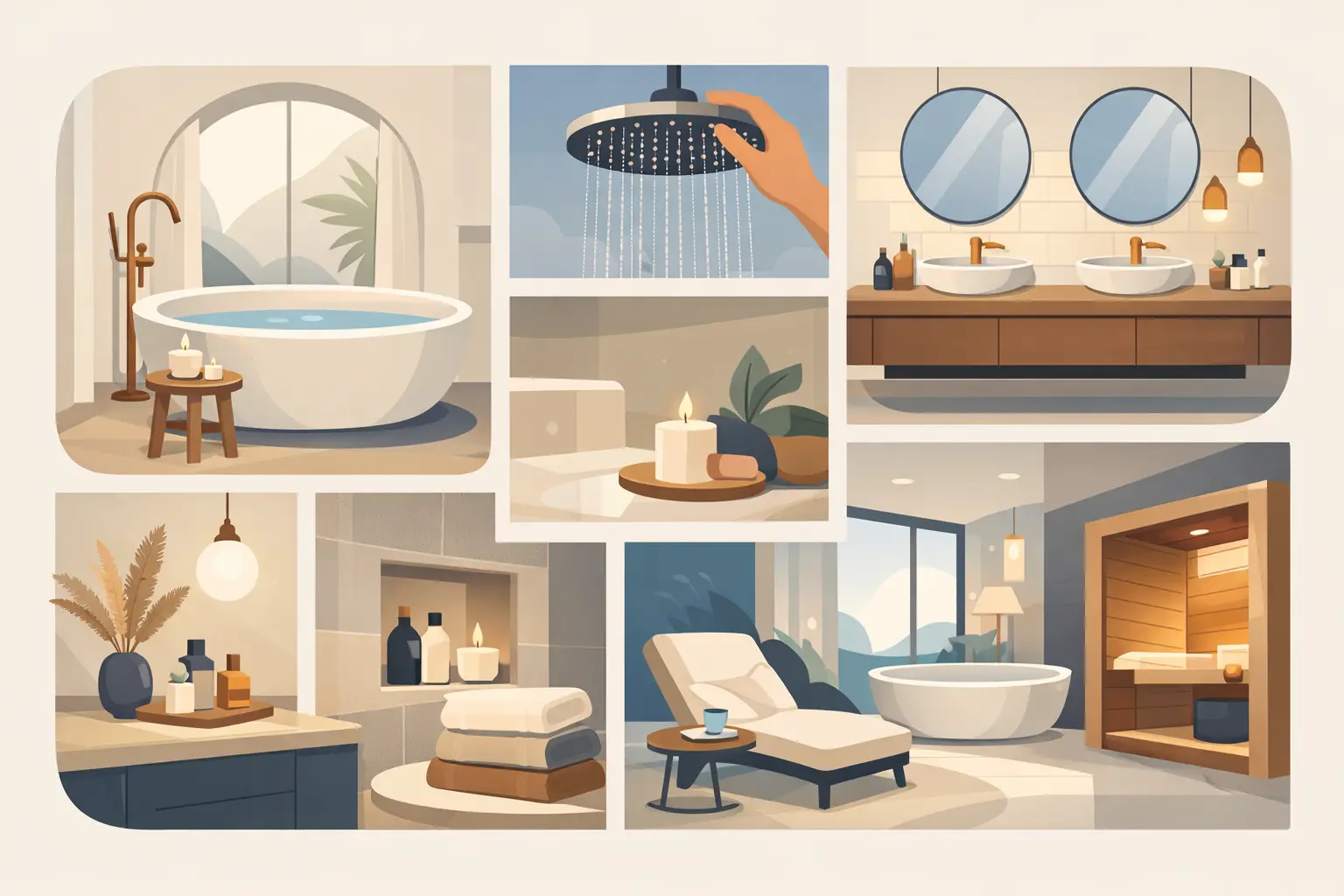
The fastest way to make a home feel more refined is often the room people underestimate most. Designer bathroom upgrades can change the entire tone of your daily routine – not just how the space looks, but how it functions at 7 a.m. when you’re rushing out the door and at 10 p.m. when you want the day to feel officially done.
A well-upgraded bathroom does not need a full gut renovation to feel elevated. In many homes, the difference between standard and striking comes down to finish selection, lighting quality, proportion, and a few smart comfort details. The right choices create a space that feels expensive, considered, and easy to live with.
What makes designer bathroom upgrades worth it
The appeal is partly visual, but the real value goes deeper. A bathroom with better lighting, stronger storage, and thoughtfully chosen fixtures feels calmer and more efficient every single day. That matters in a room used constantly but rarely designed with enough intention.
There is also a strong practical case for upgrading selectively. Replacing every surface can be costly, but changing the vanity, mirror, shower hardware, or lighting can dramatically shift the room’s character without turning the project into a full remodel. For style-conscious homeowners and renters alike, that balance is often the sweet spot.
The key is avoiding upgrades that look trendy for six months and dated by next year. The most successful designer-led bathrooms usually combine timeless forms with one or two distinctive details. Think warm metallic finishes, sculptural lighting, rich stone looks, and storage that hides visual clutter instead of adding to it.
Designer bathroom upgrades that change the look instantly
Some changes have an outsized effect because they sit at eye level or define how the room is used. If you are deciding where to begin, these are often the upgrades that bring the most visible return.
A statement vanity sets the tone
The vanity is usually the largest visual element in the room, which makes it the clearest opportunity to add a high-end feel. Floating vanities bring a more modern, architectural look and can make a smaller bathroom appear larger. Furniture-style vanities, on the other hand, add warmth and a more collected, residential character.
Material and finish matter just as much as silhouette. Fluted wood textures, matte lacquer, natural oak tones, and stone-inspired tops all feel more elevated than generic builder-grade options. Double sinks can be worth the extra width in a primary bath, but in tighter spaces, a single generous sink with more counter area often feels more luxurious in practice.
Better mirrors make the room feel brighter and larger
A mirror is not just a utility piece. In a designer bathroom, it acts like visual architecture. Oversized mirrors expand the sense of space, while framed styles add polish and definition. Rounded edges tend to soften a room full of hard materials, especially when paired with tile, stone, and metal.
Backlit mirrors are especially effective if your current bathroom feels flat or shadowy. They create cleaner illumination for grooming and add a subtle hotel-like quality. The trade-off is that some styles lean very contemporary, so they work best when the rest of the room supports that cleaner look.
Lighting should flatter people, not just the room
Many bathrooms fail on lighting alone. One harsh ceiling fixture can make even premium materials feel cold. Layered lighting is where the space starts to feel intentionally designed.
Wall sconces flanking the mirror create more even facial lighting than an overhead fixture alone. A decorative ceiling light or compact chandelier can add a more custom look, especially in powder rooms. If the room has enough natural light during the day, warmer-toned fixtures in the evening help maintain a softer, more relaxing atmosphere.
The upgrades that add comfort, not just style
A beautiful bathroom that still feels inconvenient misses the point. The most satisfying designer bathroom upgrades are the ones that improve your routine in subtle ways every day.
Shower systems can feel like a private spa
A standard showerhead is functional. A thoughtfully upgraded shower system feels indulgent. Rainfall heads, handheld attachments, thermostatic controls, and body sprays all raise the experience, but not every feature is necessary in every home.
For most people, the strongest upgrade is a combination system with a fixed overhead shower and a handheld wand. It looks more sophisticated and adds flexibility for cleaning, bathing kids, or simply making the space easier to use. If you want a spa feel without overcomplicating the setup, that is usually the most practical place to invest.
Smart toilets and bidet features are no longer niche
What once felt ultra-luxury has become more mainstream in high-end bathroom design. Heated seats, bidet wash functions, night lights, and self-cleaning features can make a bathroom feel noticeably more advanced.
This is one of the clearest examples of where preference matters. Some shoppers will prioritize these comfort features immediately. Others may prefer to spend the same budget on visible design upgrades like tile or a vanity. If the bathroom is a primary suite and you want a more elevated daily experience, smart toilet features are often surprisingly worthwhile.
Heated towel storage and warming details matter
There is something distinctly refined about stepping out of the shower to a warm towel. Towel warmers are not essential, but they create the kind of upgraded routine people quickly get attached to. They also help towels dry more efficiently, which can be useful in humid bathrooms.
Even smaller comfort additions can shift the mood of the room. Soft-close drawers, anti-fog mirrors, touchless faucets, and quiet ventilation all contribute to a more premium experience. None of these are flashy on their own, but together they make the bathroom feel carefully finished.
Finishes and materials that create a designer effect
You do not need rare marble or custom millwork to get a high-end result. What matters most is coordination, restraint, and selecting materials that feel intentional.
Hardware is a small detail with major impact
Swapping out faucets, drawer pulls, shower trim, and towel bars can transform a bathroom faster than many people expect. Brushed brass adds warmth, matte black creates contrast, polished nickel feels classic, and brushed nickel remains one of the easiest finishes to live with.
The smartest move is consistency. Mixing too many finishes can make the room feel accidental rather than curated. If you do mix metals, keep one dominant and use the second sparingly.
Tile should support the room, not overwhelm it
Large-format tile often feels more expensive because it reduces grout lines and creates a cleaner visual field. Stone-look porcelain is especially popular because it delivers a refined look with easier maintenance than many natural materials. In shower surrounds, textured or vertically stacked tile can add a custom feel without becoming visually busy.
Patterned tile can be beautiful in powder rooms or smaller moments, but it depends on the overall goal. If you want longevity, simpler shapes in elevated finishes usually age better than bold statement patterns used across every surface.
Storage is part of the design
A designer bathroom never feels crowded with products left out by necessity. Good storage is what allows the room to look serene. Built-in niches, vanity drawers with organizers, mirrored medicine cabinets, and shelving that matches the room’s finishes all help maintain a clean visual line.
Open shelving can look beautiful in styled photos, but it requires discipline. For many households, closed storage feels more luxurious because it keeps the room looking polished with less effort.
How to choose the right designer bathroom upgrades
Start with the bottleneck. If the bathroom feels dark, fix the lighting first. If it looks dated, focus on the vanity, mirror, and hardware. If it works well but lacks comfort, move toward shower upgrades and smart features.
Budget should also shape the order of decisions. A full set of premium fixtures may be less transformative than one excellent vanity and better lighting. Likewise, spending heavily on surface materials while keeping an undersized mirror or basic faucet can leave the room feeling unfinished.
Style matters, but so does context. A sleek floating vanity may look incredible in a modern condo but feel too sharp in a traditional home. The best bathroom upgrades do not just follow trends – they fit the architecture, the pace of the household, and the level of maintenance you are realistically willing to keep up with.
For shoppers building a more elevated home one room at a time, this is where a curated approach matters. Visagino’s premium lifestyle perspective fits the way many people now furnish and upgrade their spaces – not all at once, but with better pieces that make everyday life feel more considered.
The best bathroom is not always the one with the highest budget. It is the one that feels effortless to use, beautiful to walk into, and refined enough that even an ordinary morning starts on a better note.








Leave a comment