7 Wellness Tech Trends Worth Watching
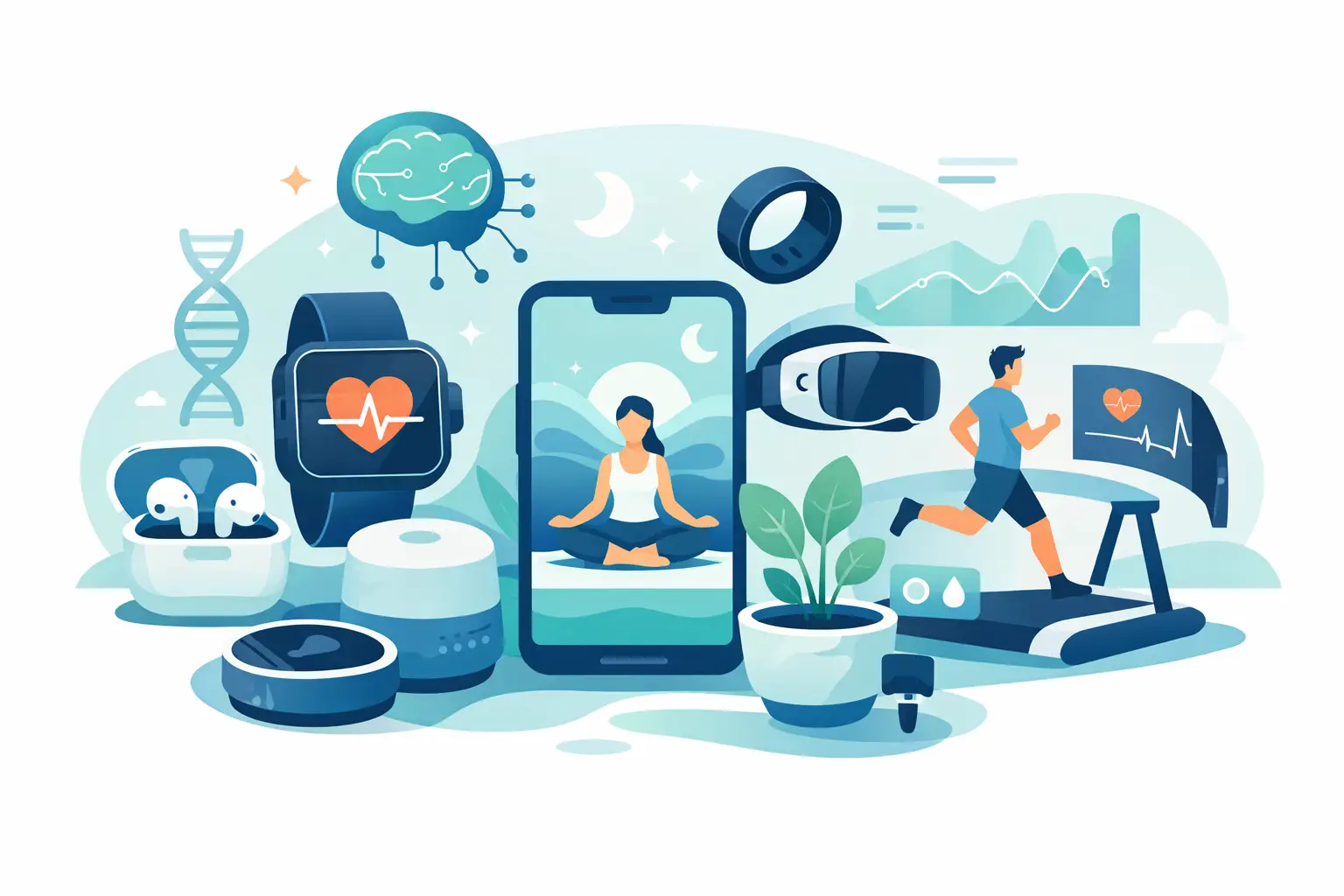
A sleep tracker that flags late-night stress, a massage device that feels custom to your body, an air purifier that quietly improves how your room feels before bed – wellness tech trends are no longer niche gadgets for early adopters. They are becoming part of how people design better mornings, calmer evenings, and more polished daily routines at home. For shoppers who want their spaces and habits to feel more considered, this category has moved from novelty to lifestyle upgrade.
What makes the current wave of wellness technology interesting is not just the hardware. It is the way these products now sit at the intersection of design, convenience, and personal care. The strongest products do not ask you to reinvent your life. They fit into a bedroom, bathroom, home gym, patio, or travel setup with the same confidence as any well-chosen premium item.
Why wellness tech trends are getting more practical
A few years ago, wellness tech often felt overly ambitious. Devices promised dramatic change, then required too much setup, too many subscriptions, or too much patience. That is shifting. The most appealing products now solve narrower, more realistic problems: getting deeper sleep, easing muscle tension after work, monitoring movement, improving air quality, or making hydration and recovery easier to maintain.
That practicality matters for a style-conscious shopper. People are not just buying features. They are buying products that support a refined lifestyle without adding clutter or friction. A recovery tool that lives neatly in a bedroom cabinet or a smart scale that looks elegant in a modern bathroom has an advantage over something bulky, clinical, or visually intrusive.
The result is a more mature category. Wellness tech is less about chasing extremes and more about supporting consistency.
1. Sleep tech is becoming part of bedroom design
Sleep remains the center of the wellness conversation, but the trend is moving beyond simple step-count logic. Instead of treating rest as one metric among many, newer products focus on the bedroom as a full environment. That includes sleep trackers, sound machines, smart lighting, cooling accessories, and air-quality devices designed to create better conditions before you even close your eyes.
The strongest products in this space share one trait: they respect the room they live in. Shoppers who invest in premium bedding, lighting, and furniture are not looking for a medical-looking device on the nightstand. They want discreet technology with clean materials and quiet performance.
There is a trade-off, though. More data does not always mean better sleep. For some users, detailed sleep scoring becomes another source of stress. If a device helps you notice patterns and make small adjustments, it is useful. If it turns bedtime into a performance review, it may be too much.
2. Recovery devices are moving into everyday routines
Massage guns, compression tools, heated therapy products, and muscle recovery devices have expanded far beyond athletes. They now appeal to anyone balancing work, travel, home projects, workouts, and long hours on their feet. That broader appeal is one of the most commercially important wellness tech trends because it turns recovery into an everyday category, not a specialist one.
For many shoppers, the new question is not whether recovery matters. It is which format fits their life. A compact handheld device works for quick relief after commuting or training. A more substantial massage chair or foot massager serves a different purpose – creating a designated recovery moment at home that feels indulgent, not clinical.
Premium positioning matters here. A recovery product should feel well-built, intuitive, and comfortable to use regularly. The cheapest option is often the one that ends up in a closet.
3. Smart fitness is getting quieter and more tailored
There was a period when connected fitness leaned hard on spectacle. Giant screens, intense leaderboards, and all-or-nothing routines dominated the category. Now the shift is toward personalization and lower-friction use. People want technology that supports movement in a way that feels tailored, not performative.
That can mean compact equipment for smaller homes, app-connected strength tools, smart yoga and mobility accessories, or wearables that help users train according to recovery and energy levels. This is a better fit for real households. Not everyone wants a dedicated gym room or an aggressive subscription ecosystem.
The best smart fitness products now complement the home instead of overpowering it. That is especially relevant for shoppers furnishing multi-use spaces where a guest room, office, and workout zone may overlap. Good design is not a bonus in this category. It is part of the value.
4. Wellness wearables are becoming more selective
Wearables are still central, but the conversation is changing. Consumers are more selective about what they actually want tracked. Instead of collecting every available metric, many buyers are prioritizing a few areas that feel actionable, such as heart rate, sleep quality, stress signals, movement, or recovery readiness.
This shift is healthy for the category. It pushes brands to create clearer value rather than endless streams of numbers. A wearable should help you decide whether to push harder, slow down, go to bed earlier, or take a walk after too many seated hours. If the insight does not lead to a useful choice, the feature starts to feel ornamental.
There is also a style factor that should not be ignored. Wearables have become accessories as much as tech products. Materials, finishes, comfort, and versatility all influence whether something becomes part of daily life or gets abandoned after the novelty fades.
5. Home wellness is expanding beyond fitness
One of the most compelling wellness tech trends is the rise of products that make the home itself feel better. Air purifiers, humidifiers, smart diffusers, water filtration systems, light therapy devices, and climate-control accessories all speak to the same desire: a home that supports comfort and restoration, not just function.
This is where wellness intersects beautifully with interior living. A thoughtfully chosen wellness device can improve the feel of a room in ways that are subtle but meaningful. Better air can support sleep and concentration. Better lighting can help morning energy and evening wind-down routines. Better hydration access can encourage healthier habits without effortful reminders.
Of course, not every household needs every device. The smartest approach is to identify the friction points in your environment first. Dry air, stale bedrooms, harsh lighting, and noisy evenings all call for different solutions. Premium shopping works best when it is guided by a real use case.
How to shop wellness tech trends without overbuying
The category is full of promise, which is exactly why it is easy to buy too much too quickly. A more elevated approach starts with one question: what part of your routine actually needs support?
If your mornings feel rushed and stiff, recovery or light-based products may add the most value. If your bedroom never feels quite restful, sleep and air-quality tools are more relevant than another fitness accessory. If you travel often, portability and battery life may matter more than advanced features.
It is also worth paying attention to form. Wellness products live in visible spaces. A beautifully made device with thoughtful proportions and a clean finish is more likely to stay in use. For a retailer like Visagino, that balance of function and design is exactly what makes the category appealing. Customers are not simply buying gadgets. They are curating a more refined way to live.
What wellness tech trends still get wrong
Even with better product design and more realistic use cases, the category still has weak spots. Some products rely too heavily on companion apps. Others push subscriptions for features that should feel standard. And many devices still promise transformation when what they really deliver is support.
That distinction matters. Wellness tech can help create better conditions, better awareness, and better habits. It cannot replace sleep, nutrition, movement, or downtime. The most sophisticated shopper understands that technology should complement lifestyle, not pretend to be one.
That is why the best purchases often feel modest at first. They remove friction. They make healthy choices easier. They add comfort, consistency, and a sense of care to ordinary routines. Over time, those are the upgrades that earn their place.
The next phase of wellness tech trends
The next phase will likely be less about flashy innovation and more about elegant integration. Products will continue to get better at blending into daily spaces, offering simpler insights, and supporting routines that feel realistic for busy households. Expect more cross-category overlap too, where wellness, home design, travel, and personal care start to feel like one connected lifestyle conversation.
That is good news for shoppers who value both performance and presentation. The future of wellness tech is not only smarter. It is more livable, more attractive, and more aligned with the way people actually want to spend their time at home. Choose the tools that make your routine feel calmer, better designed, and easier to maintain, and the category starts to make real sense.









Leave a comment