12 Luxury Home Essentials That Feel Worth It
A home rarely feels luxurious because of one grand purchase. More often, it changes when the everyday pieces start working harder – and looking better. The best luxury home essentials are the ones you use constantly, notice immediately, and miss the second they are gone.
That distinction matters. A refined home is not built on excess. It is built on smart upgrades that improve comfort, simplify routines, and give each room a more considered feel. For shoppers who want elevated living without filling a space with decorative clutter, the right essentials create the difference fast.
What makes luxury home essentials actually worth buying
Luxury is easy to imitate and harder to justify. Plenty of products borrow premium language, but true value usually comes down to materials, finish, usability, and longevity. A well-made accent chair with clean lines and durable upholstery offers more than visual appeal. It becomes the seat everyone chooses first. A rainfall shower system changes a daily routine in a way a purely decorative bathroom accessory never will.
That is the real test. The most worthwhile upgrades improve how your home feels to live in, not just how it photographs. They add comfort, reduce friction, and create a more polished atmosphere without demanding constant maintenance.
There is also a practical side to buying premium. Higher-end pieces can save money over time when they are built to last, though that depends on the category. For trend-driven decor, it may make more sense to spend selectively. For furniture, kitchen tools, lighting, bath fixtures, and outdoor staples, quality tends to show up in daily performance.
The rooms where luxury makes the biggest impact
Not every corner of the home needs a dramatic upgrade at once. The smartest approach is to start where wear, visibility, and routine overlap.
Living room essentials that elevate the whole house
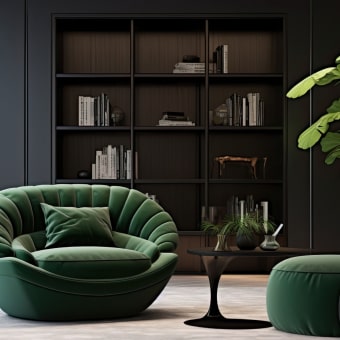
The living room carries more visual weight than almost any other space, which is why furniture quality matters here. A sculptural sofa, a substantial coffee table, and well-scaled lighting can make an entire home feel more expensive. The key is restraint. One standout piece in a premium finish often does more than five smaller decorative buys.
Entertainment is another category where luxury pays off quickly. A high-quality projector or upgraded media setup transforms movie nights, sports viewing, and hosting. This kind of investment feels indulgent, but it is also practical if your home doubles as your social space. Better sound, richer picture quality, and cleaner design bring a level of comfort that standard setups often miss.
Textiles deserve more attention too. Throws, cushions, and rugs are not filler when chosen well. They soften acoustics, add dimension, and make a room feel finished. Cheap textiles tend to flatten a space. Rich texture and better fabrication do the opposite.
Kitchen upgrades that earn their place
A luxury kitchen is rarely about having more gadgets. It is about having fewer, better ones. Countertop appliances with clean design, dependable performance, and premium finishes make the room look sharper while pulling real weight in everyday use.
Coffee is a perfect example. If you start every morning in the kitchen, a better coffee setup is not a small indulgence. It is a daily quality-of-life upgrade. The same logic applies to cookware, knife sets, and serveware. These are tools you touch constantly, so craftsmanship matters.
Storage also plays a role in how premium a kitchen feels. Clutter undermines even the nicest finishes. Thoughtful organization, elegant dispensers, and well-designed countertop pieces keep the room looking intentional instead of busy. Luxury, in many homes, shows up as visual calm.
Bathroom details with a high-end feel
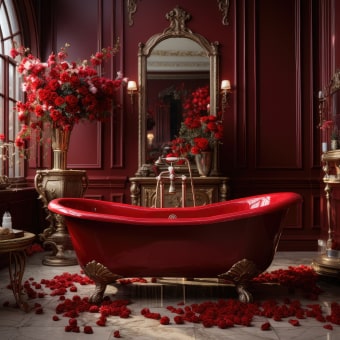
Bathrooms offer some of the fastest returns on smart upgrades. You do not need a full renovation to make the space feel more refined. Premium fixtures, better mirrors, elevated storage, and spa-like accessories can change the experience immediately.
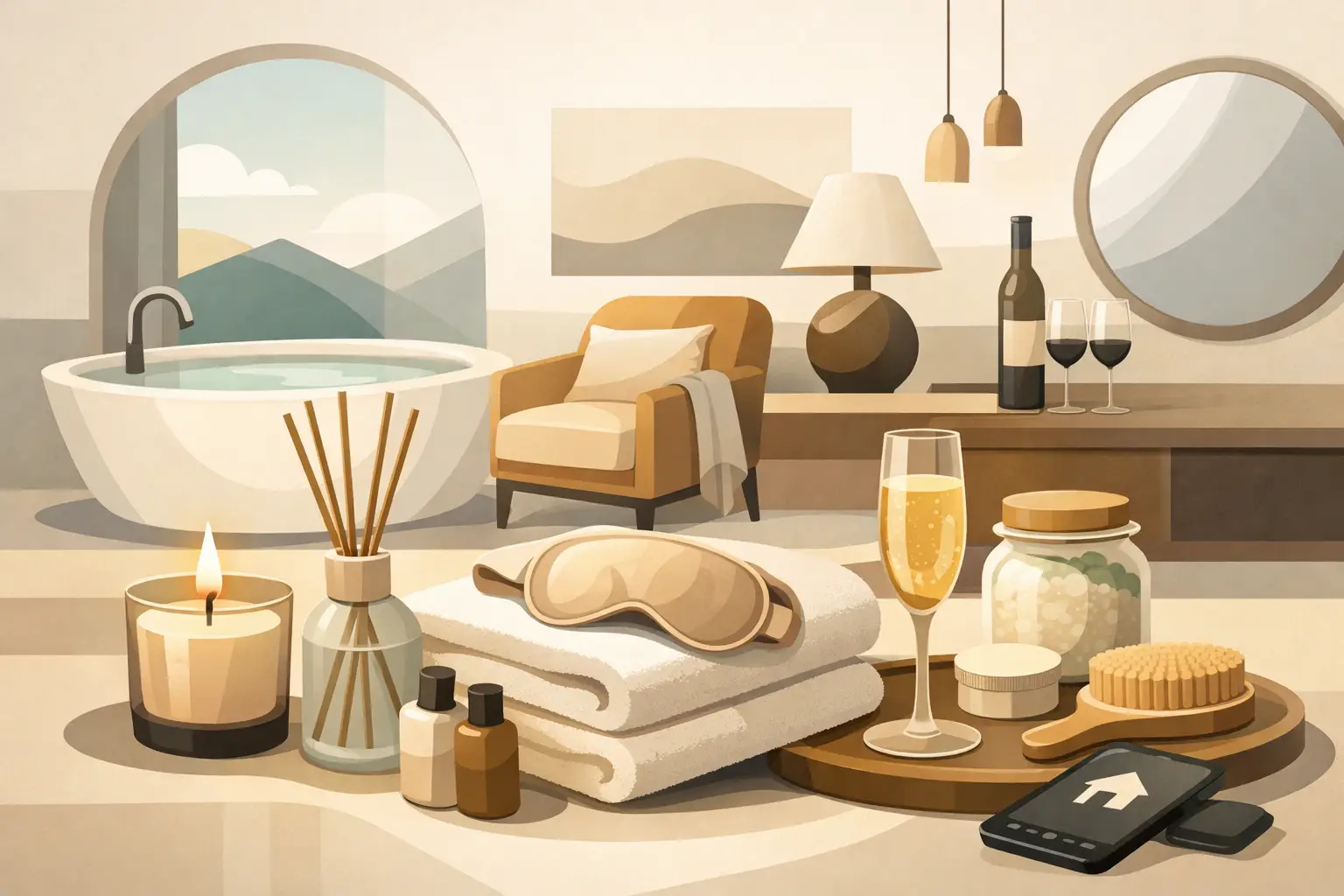
This is where tactile quality matters most. A sleek faucet, a rainfall shower panel, plush towels, and a heated or massage-focused wellness device all create comfort you notice every day. Even smaller additions, like a cleaner vanity setup or coordinated hardware, make the room feel more curated.
There is a trade-off, though. Some high-design bathroom pieces prioritize appearance over durability. It is worth paying attention to finish quality, water resistance, and ease of cleaning. A beautiful product that constantly needs delicate care can lose its appeal quickly.
12 luxury home essentials to consider first
If you are deciding where to start, focus on pieces that combine style, function, and repeat use. These categories tend to deliver the strongest payoff.
- A statement sofa with durable upholstery and tailored lines
- A premium coffee table or side table in a substantial material
- Designer-inspired lighting that adds warmth and presence
- A high-quality projector or upgraded home entertainment piece
- Plush area rugs with texture and structure
- Elevated bedding that improves sleep and bedroom styling
- Countertop coffee equipment that turns routine into ritual
- Well-made cookware and kitchen tools you use every day
- Refined bathroom fixtures with a clean, modern finish
- Spa-style wellness devices for recovery and relaxation
- Outdoor furniture or patio structures that extend living space
- Smart pet essentials that blend utility with better design
What connects these products is not just appearance. They support a better routine. They also suit how many households live now – entertaining at home, working flexibly, investing in comfort, and expecting design to carry across multiple categories instead of stopping at furniture.
Luxury home essentials for modern lifestyles
The idea of luxury has shifted. It is less about formality and more about control, comfort, and thoughtful convenience. That is why categories like portable power, smart home accessories, wellness devices, and outdoor living products now belong in the same conversation as lighting and furniture.
A backyard, for example, can become a real extension of the home with the right shade structure, seating, and ambient lighting. That upgrade feels premium because it gives you more usable space, not because it looks elaborate. The same is true indoors. A massage chair or recovery device may not read as traditional decor, but it adds a level of at-home comfort many shoppers now value as highly as a designer accent piece.
For families, practical luxury often wins over delicate luxury. Performance fabrics, easy-clean surfaces, smart pet products, and durable storage solutions may not sound glamorous at first glance. In reality, they create the kind of orderly, polished environment that feels expensive because it functions well.
How to shop luxury without wasting money
A refined home should feel collected, not overbought. The simplest mistake is chasing a luxury look through too many small purchases. That usually leads to a crowded room with no focal point.
Instead, invest where touch, use, and visibility are highest. Sit on the sofa before you notice the candles. Turn on the lamp before you admire the tray. Step into the shower before you register the countertop decor. Prioritize the products that shape experience first, then layer in finishing details.
It also helps to mix categories intentionally. If your living room already has strong furniture, your next upgrade might be technology or lighting rather than more decor. If your bathroom looks clean but feels underwhelming, texture and fixtures may matter more than color changes. Luxury is not a checklist. It is a balance.
When shopping across categories, curated retailers have a clear advantage. A broader premium assortment makes it easier to build continuity from room to room instead of buying one stylish item and then settling for basic versions everywhere else. That is part of the appeal behind a destination like Visagino – the opportunity to upgrade multiple parts of daily life with products that feel considered, elevated, and gift-worthy.
Why the best luxury home essentials never feel flashy
The most sophisticated homes rarely announce themselves loudly. They feel calm, well-made, and easy to live in. Materials feel better in the hand. Seating invites you to stay longer. The kitchen performs smoothly. The bathroom feels finished. Outdoor space becomes usable. Even tech looks like it belongs.
That is why the best luxury purchases often seem understated at first. Their value shows up over time, through comfort, convenience, and consistency. They make your home feel more polished on ordinary days, not just when guests are over.
If you are upgrading your space, start with the essentials you reach for every single day. When beauty and function finally meet, luxury stops feeling like a splurge and starts feeling like the standard you want to live with.








Leave a comment