Indoor Projector Buying Guide for Home Use
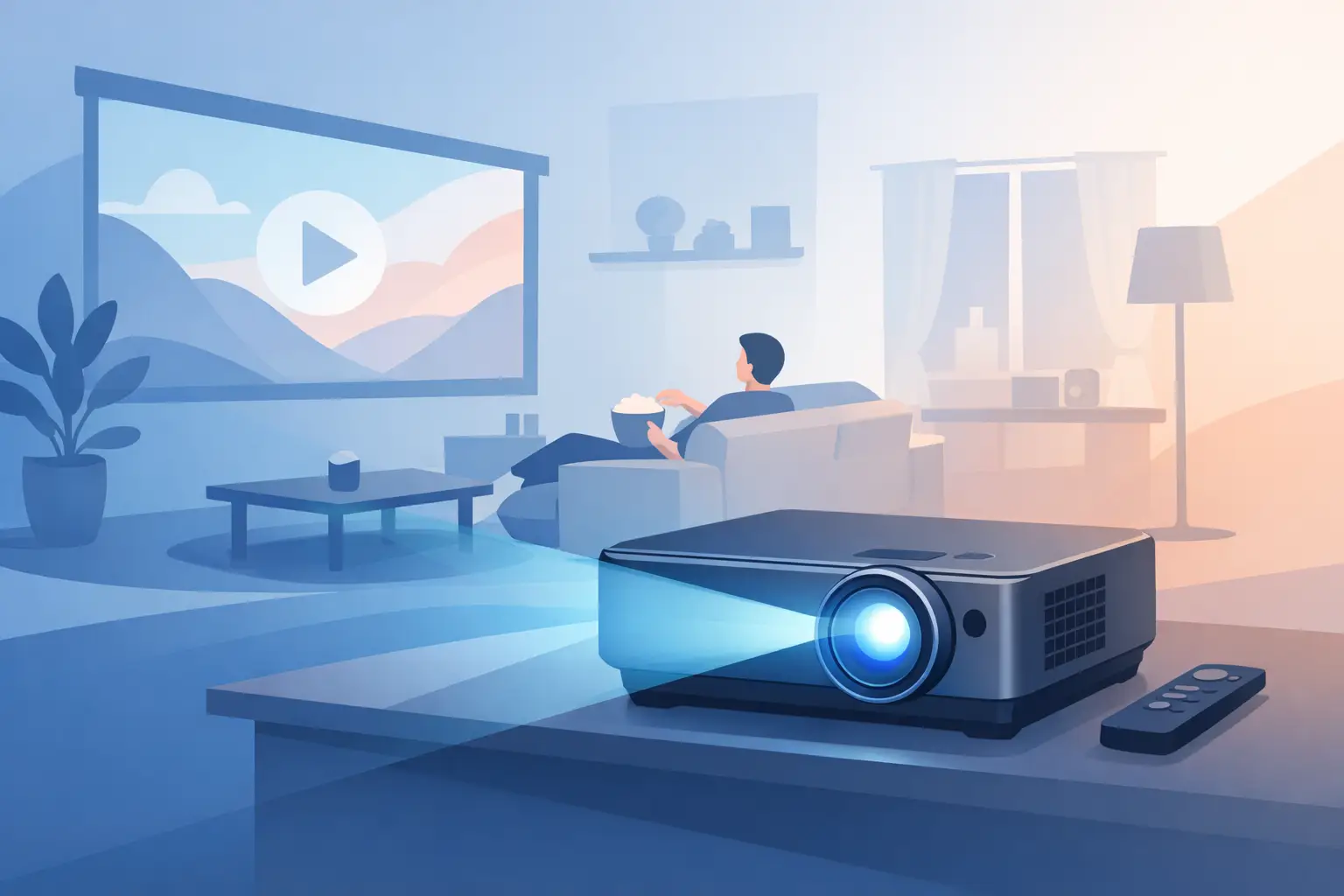
A projector can make a small movie night feel cinematic or turn a spare wall into the most used screen in the house. That is why an indoor projector buying guide matters before you shop – the right model can elevate your living room, bedroom, or media space, while the wrong one can leave you squinting at a washed-out image and juggling too many compromises.
Unlike a TV, a projector is shaped by the room around it. Light control, wall space, seating distance, and even ceiling height all affect what will actually look good in your home. A premium projector setup is not only about buying the most expensive model. It is about matching performance to the way you live.
Why an indoor projector buying guide starts with the room
The first question is not resolution or brand. It is where the projector will live. A bright living room with windows and ambient light needs a different machine than a dim basement media room. If you plan to use it casually for streaming and weekend sports, your priorities will look different from someone building a polished home theater with blackout curtains and surround sound.
Room size changes everything. In a compact apartment, a short-throw projector may be the smartest choice because it can create a large image from a shorter distance. In a longer room, a standard throw model may give you more placement flexibility. If the projector will move between rooms, weight, portability, and fast setup become part of the buying decision.
This is where many shoppers overbuy in one area and underbuy in another. A very high-resolution projector in a bright room can still disappoint if brightness is too low. A powerful projector with average contrast can feel less refined in a dark room where black levels are easier to notice. Balance matters more than headline specs.
Brightness is the spec most people feel first
If you only remember one thing from this indoor projector buying guide, make it brightness. Brightness determines how well the image holds up in real spaces, not just ideal ones. It is usually measured in lumens, and higher is not always better in every context, but too low is easy to regret.
For darker rooms used mainly at night, moderate brightness can look excellent and often delivers a more cinematic feel. For mixed-use spaces with lamps on, daylight, or family activity happening around the room, you will want more output so the picture keeps its depth and color.
There is also a trade-off. Extremely bright projectors can prioritize punch over subtlety, especially in smaller dark rooms where the image may feel harsh rather than rich. If your goal is elevated movie watching, look for a projector that offers enough brightness for your room without making the picture look flat or overly aggressive.
Resolution matters, but viewing distance matters too
Shoppers often jump straight to 4K, and sometimes that is the right move. If you want a refined, detailed image for films, gaming, and streaming, higher resolution can absolutely improve the experience. It is especially noticeable on larger screen sizes where detail and texture become part of the appeal.
That said, native resolution is only one part of picture quality. In a bedroom projector setup viewed from farther away, a good Full HD model may feel more than sufficient. In a dedicated media room with a very large image, 4K becomes more compelling.
It also helps to know whether a projector is native 4K or uses pixel-shifting technology to create a 4K-like image. Both can look excellent, but they are not identical. If picture precision is a priority, look closely at how the projector achieves its stated resolution instead of assuming every 4K label means the same thing.
Contrast and color separate decent from impressive
A projector can be bright and sharp and still feel underwhelming if contrast is poor. Contrast affects how deep blacks look, how much dimension an image has, and whether nighttime scenes feel rich or muddy. For movie lovers, this is often the difference between a functional screen and a luxurious viewing experience.
Color performance matters just as much. If skin tones look artificial or dark scenes lose detail, the overall presentation feels cheaper than it should. Better projectors tend to produce more natural color, more controlled highlights, and a more polished image overall.
This is one area where real-world expectations help. If you mostly watch animation, sports, and casual streaming, your tolerance may be broader. If you care about cinema-quality visuals, contrast and color are worth prioritizing over flashy extras.
Throw distance and image size need to work together
One of the easiest projector mistakes is falling in love with a screen size before checking how far the projector needs to sit from the wall or screen. Throw distance tells you how much room a projector needs to create a certain image size.
A short-throw model is excellent for smaller interiors because it can project a large image from a limited distance. An ultra-short-throw model can sit very close to the wall, which creates a cleaner, more furniture-friendly setup in stylish living spaces. Standard throw projectors often offer more traditional placement and can be ideal if you have the room for it.
Before buying, measure the space honestly. Think about coffee tables, shelves, ceiling mounts, and walking paths. A projector that fits the spec sheet but disrupts the room is not a refined solution.
Built-in sound can be convenient, but it has limits
Many indoor projectors now include speakers, and for casual use that can be enough. In a bedroom, dorm-like setup, or occasional family room setup, built-in audio may keep the experience simple and clean.
For a more premium result, external sound usually makes the difference. Even a good projector speaker rarely creates the scale and depth that a soundbar or speaker system can provide. If you are designing a space around movies, concerts, or gaming, plan for audio as part of the purchase rather than an afterthought.
Noise matters too. Some projectors have louder fans than others, and once you notice that hum during quieter scenes, it is hard to ignore. A beautifully designed room deserves equipment that disappears into the experience, not one that calls attention to itself.
Smart features and connectivity should fit your routine
A projector should work with the way you already watch content. If you stream constantly, built-in smart TV features can be convenient. If you prefer dedicated devices, make sure the ports and wireless options support them easily.
Look at HDMI inputs, Bluetooth support, Wi-Fi capability, and compatibility with gaming consoles, streaming sticks, and sound systems. Ease of setup matters. Auto-focus, keystone correction, and screen alignment tools can make daily use feel much more polished, especially if the projector is portable or repositioned often.
Still, more automation is not always better. Keystone correction can help placement, but heavy correction may slightly reduce image precision. The most refined setup is still one where the projector is positioned as cleanly as possible from the start.
Choosing the right indoor projector for your lifestyle
The best projector for your home depends on how you plan to use it. For movie-first buyers, prioritize contrast, color, and quiet performance in a darker room. For family living spaces, brightness and convenience may matter more. For gaming, low input lag joins the list. For design-conscious homes, ultra-short-throw models can feel especially elegant because they reduce ceiling clutter and integrate more naturally with modern furniture.
Budget also changes the conversation. In entry-level ranges, focus on core performance and realistic expectations. In premium categories, you should expect a more refined image, stronger build quality, and better day-to-day usability. Paying more is worthwhile when it improves the experience you will notice every week, not just the spec sheet you read once.
For shoppers curating a more elevated home entertainment setup, this is where a retailer with a broader lifestyle perspective can help. A projector is not just a tech item. It becomes part of the room, part of your routine, and part of how you host, relax, and enjoy your space.
What to avoid when shopping
Be cautious with projectors that advertise oversized image potential without the brightness or contrast to support it. A giant image sounds appealing, but if it looks dim, grainy, or faded, the effect wears off fast. The same goes for very low-priced options that promise premium specs across the board. Usually, something has been compromised.
It is also worth avoiding impulse buys based only on trend features. Portable design, built-in apps, or dramatic marketing can all be attractive, but the everyday essentials still matter most. Picture quality, placement, and ease of use are what determine whether the projector becomes a favorite part of the home or a device that gets used twice and stored away.
A well-chosen projector should feel like an upgrade the moment you turn it on. If you shop with the room, your habits, and your visual standards in mind, the right model will do more than display content – it will give your home a more cinematic, considered kind of comfort.









Leave a comment