Portable Power Station Review: What to Buy
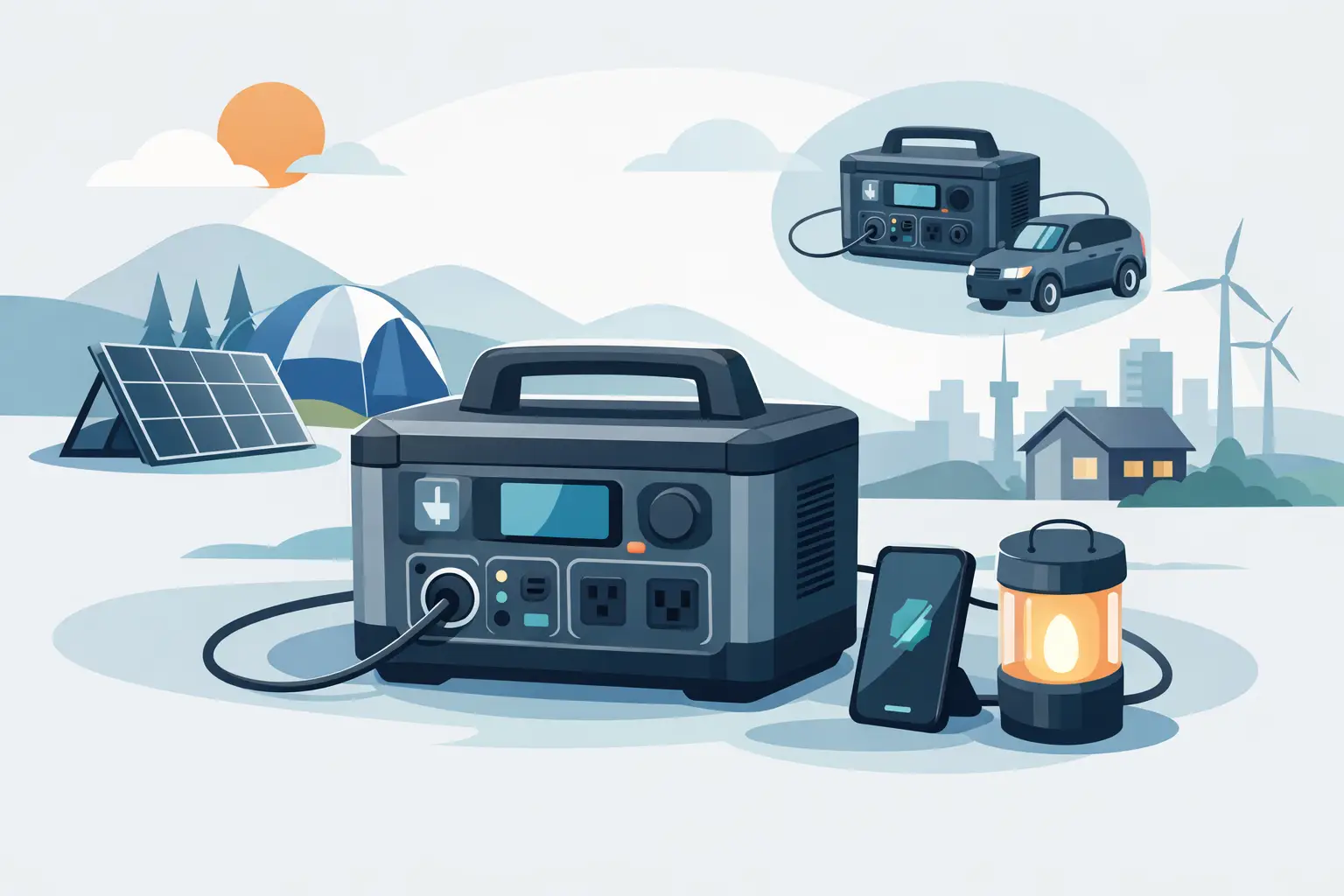
A dead phone at a campsite is annoying. A dead fridge during a power outage is expensive. That gap is exactly why a smart portable power station review matters before you buy – not every unit is built for the same kind of backup, travel, or everyday convenience.
Portable power stations have moved well beyond niche gear for hardcore campers. They now sit comfortably in modern garages, home offices, RV setups, tailgate kits, and even design-conscious apartments where clean backup power feels like a practical luxury. For shoppers who want performance without the noise, fumes, or maintenance of a gas generator, the category is genuinely compelling.
A portable power station review should start with your real use case
The biggest mistake buyers make is shopping by headline capacity alone. A large battery sounds impressive, but watt-hours on a product page do not automatically translate into the right fit for your life.
If your goal is weekend convenience, you may only need enough power for phones, a laptop, lights, and a small fan. If you are preparing for outages, your priorities change fast. Suddenly, AC output, surge handling, recharging speed, and long-term battery chemistry matter more than sleek marketing claims.
A refined purchase starts with a simple question: what do you need to keep running, and for how long? Once you answer that honestly, the field narrows in a useful way. Small units are easier to carry and store, but they run out quickly under heavier loads. Larger models feel more premium and reassuring, yet they can be bulky, expensive, and excessive for casual use.
Battery capacity is important, but it is not the whole story
Capacity is usually measured in watt-hours, and it tells you how much energy the station stores. In practical terms, that figure helps estimate runtime. A 300Wh unit may cover phone charging, lights, and a few hours of laptop use. A 1000Wh or 1500Wh model opens the door to appliances, CPAP machines, TVs, or longer emergency coverage.
Still, capacity only tells half the story. You also need to look at output. A power station may store plenty of energy and still fail to run your appliance if its inverter cannot deliver enough watts. A coffee maker, microwave, hair dryer, space heater, or power tool can overwhelm smaller stations even when the battery is full.
That is where many shoppers get frustrated. They assume a bigger battery means broader compatibility, but output limits create the real boundary. For a premium purchase, you want a model that balances both figures gracefully instead of overemphasizing one.
The specs that matter most
For most households and travel setups, four details deserve attention. Battery capacity shapes runtime. Continuous wattage determines what you can power steadily. Surge wattage matters for devices that need extra energy at startup. Charging speed affects how quickly the station is ready again after use.
Battery chemistry also deserves a close look. Lithium iron phosphate, often labeled LiFePO4, has become a standout option because it generally offers longer cycle life and better durability than older lithium-ion designs. That can make a meaningful difference if you expect frequent use rather than occasional emergency storage.
What a good portable power station review should actually evaluate
The best reviews do more than repeat manufacturer specs. They look at how the unit behaves in a real environment, because premium value is about experience as much as raw numbers.
Noise is one example. Portable power stations are far quieter than gas generators, but not completely silent. Cooling fans can become noticeable under load or while fast charging. If you plan to use the unit indoors, in a bedroom, or beside a desk, that detail matters.
Port selection matters too. A polished model should give you practical flexibility without clutter. AC outlets, USB-C PD, USB-A, a car port, and solar input are common, but placement and spacing affect day-to-day convenience. Closely packed outlets can make larger plugs awkward. A bright display may look modern, but if it is hard to read in sunlight or too harsh at night, the elegance fades quickly.
Build quality is another separator in this category. A portable power station often gets moved between the house, car, patio, campsite, and garage. Strong handles, stable feet, durable housing, and intuitive controls all contribute to the sense that the product belongs in an elevated lifestyle setup rather than a disposable gear pile.
Portable power station review by lifestyle fit
For casual outdoor use, portability often wins. If you want reliable power for weekend trips, picnics, and backyard movie nights, a compact unit in the lower-capacity range can be the more refined choice. It is easier to lift, easier to store, and less likely to feel like overkill.
For home backup, the equation changes. Here, it is worth spending more for stronger output, longer runtime, and faster wall charging. During an outage, convenience becomes comfort, and comfort becomes value. Being able to power the essentials without noise or fuel storage has a distinctly high-end appeal.
For RV owners and road travelers, expandability becomes more attractive. Some models support extra batteries, solar charging, or app-based control. Those features can feel unnecessary in a basic setup, but they are worthwhile if you want a more complete mobile power system with room to grow.
For tech-forward households, USB-C performance is easy to overlook but worth checking. Fast laptop charging, reliable support for tablets, drones, cameras, and phones, and pass-through charging can make a station far more useful in everyday life, not just on special trips.
The trade-offs buyers should expect
There is no perfect model, only the right compromise for your priorities. Lightweight stations are easier to carry but usually offer lower capacity. Higher output units can run more demanding appliances, but they cost more and take up more room. Fast charging is convenient, yet it can increase fan noise and thermal stress.
Price is another area where expectations need to stay realistic. In this category, a premium product can absolutely be worth it, especially if you value battery longevity, cleaner design, and better safety features. But some shoppers pay for branding instead of meaningful performance. If two units have similar battery chemistry, comparable output, and the same core ports, the more expensive one should justify itself with better user experience, warranty confidence, or expansion options.
That is why browsing a curated retailer can be helpful. A well-merchandised collection tends to reduce the noise around gimmicky products and steer attention toward models that actually support a more polished, dependable setup. For shoppers exploring elevated home, travel, and outdoor essentials, Visagino offers a lifestyle-focused destination at https://visagino.com.
Features that are worth paying for
Some upgrades are cosmetic. Others genuinely improve ownership. An informative display with input, output, and runtime estimates is useful every time you use the station. App control can be valuable if you want remote monitoring in an RV, garage, or patio environment. Solar compatibility is worth considering if resilience and off-grid flexibility are part of the appeal.
An uninterruptible power supply function can also be attractive for home office use, though performance varies by model. If you plan to protect sensitive electronics, check how quickly the unit switches over and whether it is truly suited to that role.
Expandable battery support is another premium feature that depends on your lifestyle. It may be excessive for occasional users, but for buyers who want a scalable backup solution without moving into full generator territory, it can be a smart long-term investment.
Red flags to avoid
Be cautious with vague runtime claims, unclear battery chemistry, and very low pricing paired with unusually high specs. Also watch for missing details around warranty coverage, recharge times, and maximum output. A polished product page should answer those questions clearly.
It is also wise to avoid buying for fantasy scenarios. If you rarely camp, do not choose a giant station just because the numbers look impressive. If outage protection is your real concern, do not underspend on a compact unit that cannot handle the essentials. The most satisfying purchase usually comes from matching performance to routine, not aspiration alone.
Final thought on this portable power station review
The right portable power station feels less like emergency gear and more like a quiet upgrade to the way you live – cleaner than a generator, more elegant than a tangle of backup batteries, and practical enough to earn its place year-round. Buy for the moments you know will happen, and you will end up with a product that feels useful long after the novelty wears off.













Leave a comment