How to Pick Home Projector Like a Pro
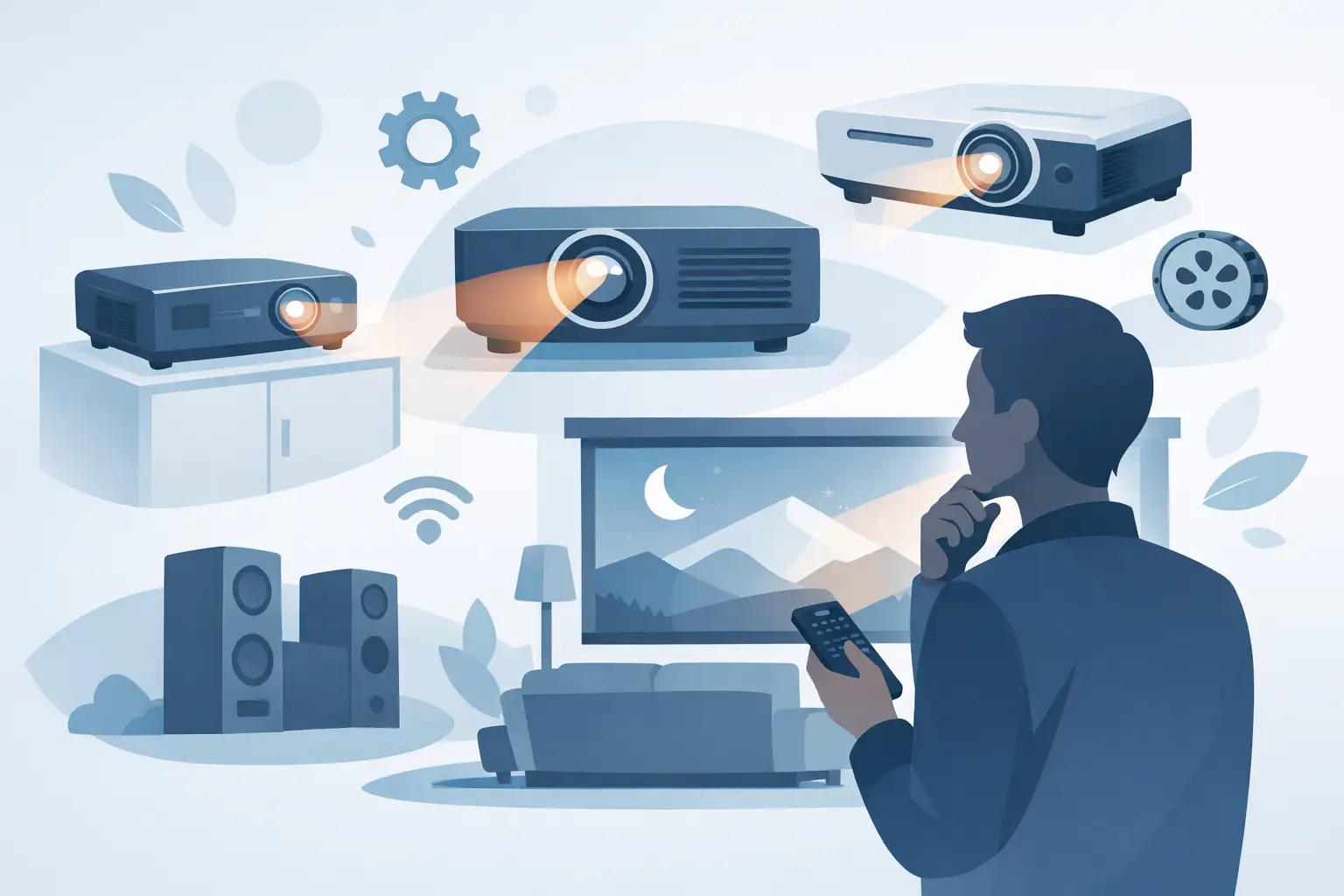
Movie night falls apart fast when the picture looks washed out, the fan sounds louder than the dialogue, or the projector that seemed perfect online turns out wrong for your room. If you are figuring out how to pick home projector options that actually suit your space, the smartest move is to shop for the room first and the specs second.
A projector can feel like one of the most rewarding home upgrades you can make. It brings scale, atmosphere, and that high-end cinema feel a flat-screen rarely matches. But the right model depends on a handful of decisions that are easy to overlook when product pages throw around terms like lumens, throw ratio, native resolution, and contrast.
How to pick home projector for your room
Before comparing brands or features, look at where the projector will live. A bright living room with windows has very different needs than a dedicated media room with blackout curtains. This is where many shoppers get tripped up. They buy for the dream setup, not the actual one.
If your projector will be used mostly in a family room, brightness matters more than almost anything else. Even with blinds closed, ambient light can flatten the image. In that case, a dim projector with excellent color still may not deliver the premium viewing experience you want. For darker rooms, you can shift more attention toward contrast, black levels, and cinematic detail.
Room size matters too. Some projectors need a long distance to create a large image, while short-throw and ultra-short-throw models can sit much closer to the wall. If you do not want a ceiling mount or you are working with a smaller apartment, those compact-setup models can feel far more refined in daily use.
Think about placement early
The cleanest setup is not always the most powerful projector. It is the one that fits your room without constant adjustment. If your coffee table is the only realistic spot, lens shift and keystone correction become more important. If you want a sleek, built-in look, ceiling mounting may make more sense.
There is a trade-off here. Keystone correction can help square the image, but heavy digital correction can reduce picture quality. Optical lens shift is a more premium feature because it lets you reposition the image without the same compromise. If appearance and performance both matter, this is worth prioritizing.
Brightness is not just a spec sheet number
Lumens tell you how bright a projector can get, but they do not tell the whole story. Manufacturers often market brightness aggressively, and shoppers naturally assume more is always better. Sometimes it is, especially in bright rooms. But in darker spaces, too much brightness can make the picture feel harsh rather than cinematic.
For casual streaming, sports, and daytime viewing, higher brightness gives you more flexibility. For evening movie watching in a controlled-light room, balanced brightness paired with better contrast can look richer and more expensive. That is the difference between a picture that simply fills the wall and one that feels immersive.
If you want one projector to do everything, lean toward a model that handles moderate ambient light well. It may not be the purest theater performer, but it will likely suit real life better.
Resolution matters, but so does screen size
When people ask how to pick home projector models, resolution is often the first thing they mention. It does matter. A projector with native 1080p is still a strong choice for many homes, especially for streaming, TV, and occasional movie nights. If you want sharper detail on a very large screen or you are building a more premium entertainment setup, 4K support becomes more compelling.
The key is to match resolution to your screen size and seating distance. On a modest image size viewed from farther back, the jump from 1080p to 4K may feel subtle. On a big projection wall where you sit relatively close, the difference can be much more noticeable.
Native resolution is also more valuable than marketing language that suggests enhancement or supported input. A projector can accept a 4K signal without being a true native 4K projector. That does not make it bad, but it does mean you should read the details carefully.
Contrast shapes the picture more than many buyers expect
Brightness gets attention, but contrast is what gives depth to a projected image. Strong contrast helps dark scenes look dimensional instead of gray and flat. If you watch a lot of films, prestige dramas, or visually rich content, this can matter more than an extra bump in brightness.
That said, contrast claims can be difficult to compare across brands because testing methods vary. Real-world reviews and product demos often tell a more honest story than a huge contrast number on a box. If your goal is a refined home theater feel, put contrast high on your list.
Choose features based on how you actually watch
Not every home projector is built for the same kind of lifestyle. Some are designed for cinematic image quality, others for easy streaming, portable use, or gaming. The best choice depends on what will happen most often after the novelty wears off.
If you mainly want movie nights and prestige TV, prioritize picture quality, quiet operation, and strong contrast. If your household watches sports with lights on, go brighter and look for smooth motion handling. If gaming matters, input lag deserves special attention. A gorgeous image means less if the controls feel delayed.
Smart features can also shape the experience. Built-in streaming apps, voice control, Bluetooth audio, and clean interface design make a projector easier to use daily. But convenience can age faster than picture hardware. Some shoppers prefer a simpler projector paired with a dedicated streaming device for more flexibility over time.
Audio can make or break convenience
Many projectors include built-in speakers, and some sound surprisingly decent for casual use. But if you want a truly elevated home entertainment setup, external audio changes everything. Dialogue becomes clearer, bass has presence, and the whole room feels more intentional.
That does not mean you need a complicated surround system. A quality soundbar or speaker setup often delivers a major improvement. Just make sure the projector supports the connections you need, whether that is HDMI ARC, Bluetooth, or optical audio.
Do not ignore the screen, even if you use a wall
A projector is only part of the picture. The surface you project onto affects sharpness, brightness, and perceived contrast more than many buyers expect. A smooth white wall can work well enough, especially in stylish, casual spaces. But a proper screen usually gives you a cleaner and more polished result.
In brighter rooms, an ambient light rejecting screen can help preserve image quality. In darker rooms, a standard matte white screen may be all you need. If you are investing in a premium projector, pairing it with the wrong surface can limit what you are paying for.
Budget with the full setup in mind
It is easy to spend your entire budget on the projector itself and then realize you still need a screen, mount, streaming device, or better speakers. A more balanced setup often delivers better value than chasing the most impressive headline specs.
This is especially true in the midrange. A thoughtfully chosen 1080p or entry-level 4K projector with solid brightness, easy placement, and reliable performance can feel more luxurious in real life than a more advanced model that is difficult to install or fussy to use.
If you are shopping for a long-term home upgrade, durability and lamp or light source life also matter. Laser projectors often cost more upfront, but they can offer longer life and lower maintenance. Traditional lamp-based models can be more accessible, though replacement costs should be part of the equation.
How to narrow your final choice
Once you know your room conditions, preferred image size, and primary use, the shortlist becomes much easier. At that point, compare three things closely: placement flexibility, real-world picture performance, and everyday convenience. Those are the details that shape satisfaction after the first week.
A projector can look exceptional on paper and still be wrong for your space. Another may have slightly more modest specs but fit your room and routine beautifully. That is usually the better purchase.
For shoppers building a more elevated entertainment setup, it helps to think in terms of experience rather than features alone. You are not just buying brightness or resolution. You are choosing the mood of your living room, the ease of hosting friends, the comfort of family movie nights, and the kind of upgrade that makes home feel more considered. If you are exploring premium lifestyle tech for a refined space, curated collections at Visagino can make that search feel far more streamlined.
The best projector is rarely the one with the longest feature list. It is the one that suits your room, respects your budget, and makes you want to dim the lights and stay in a little longer.










Leave a comment