11 Entryway Storage Bench Ideas to Steal
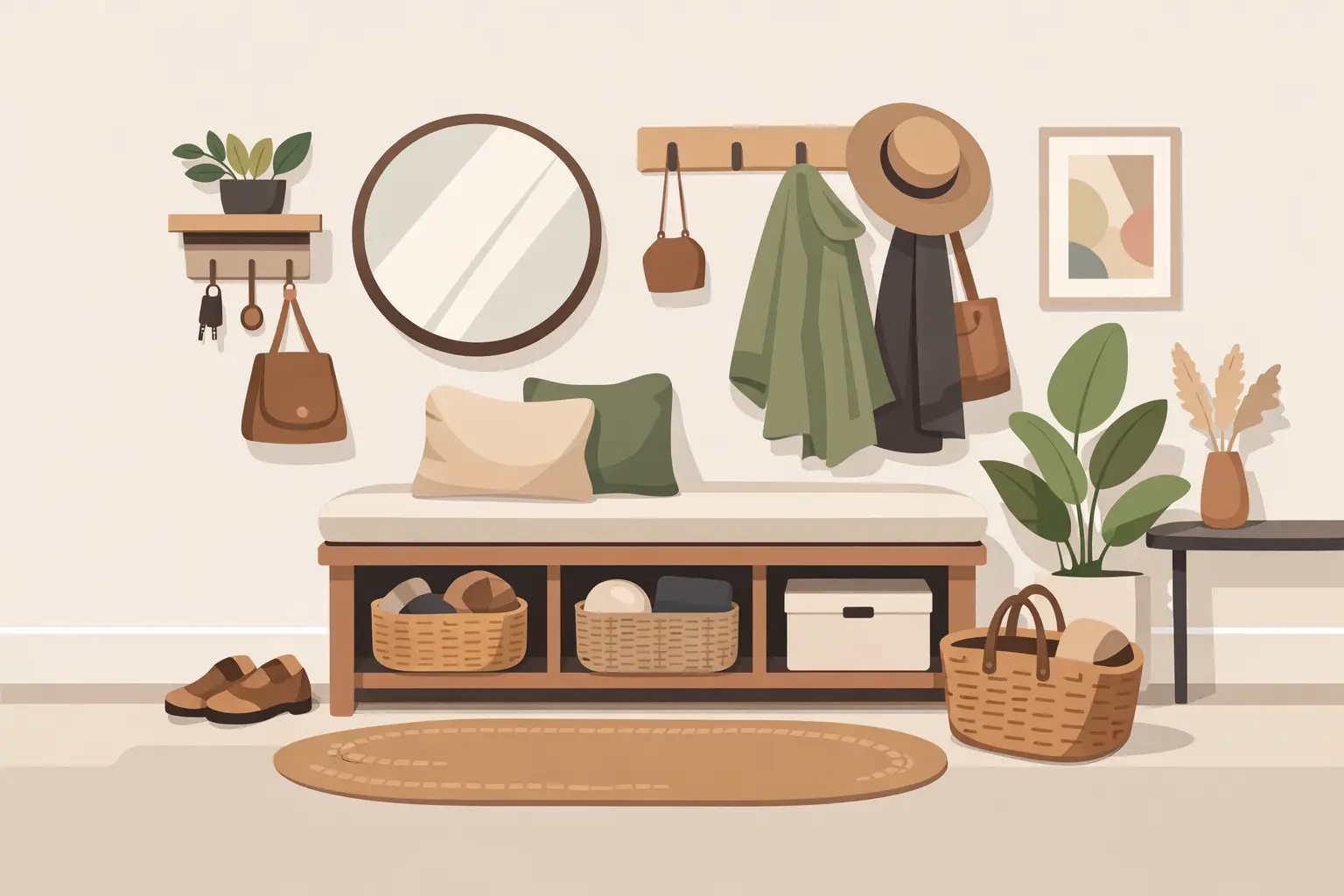
The first three feet inside your front door do a lot of work. Shoes get kicked off there, packages land there, keys disappear there, and somehow that small stretch of wall can set the tone for your entire home. If your entry feels cluttered before the day even starts, a well-chosen bench can change the experience fast.
The best entryway storage bench ideas do more than give you a place to sit. They create order, soften the look of a high-traffic zone, and make the home feel more considered from the moment someone walks in. The right one depends on your layout, your daily routine, and how much visual calm you want from the space.
Entryway storage bench ideas that actually fit real homes
A storage bench sounds simple, but the smartest version is the one that solves your specific problem. In some homes, that means hiding six pairs of everyday shoes. In others, it means creating a landing spot for backpacks, pet leashes, or winter accessories without making the entry look overstuffed.
If your foyer is narrow, a slim-profile bench with open lower shelving often works better than a deep lift-top design. You keep the footprint lighter, and shoes stay easy to grab on the way out. If your household tends to collect visual clutter, closed storage has a more refined effect. A flip-top bench or drawer bench keeps the room looking polished, especially in open-concept spaces where the entryway is visible from the living room.
Material matters just as much as shape. Wood benches bring warmth and permanence. Upholstered styles feel more elevated and inviting, especially if your goal is an entry that reads more like a furnished room than a pass-through. Metal frames can sharpen the look in more modern homes, but they tend to feel less forgiving in family-heavy spaces.
The built-in look without the renovation
One of the most effective entryway storage bench ideas is choosing a bench that feels architectural, even if it is fully movable. Look for clean lines, a substantial base, and a finish that complements nearby trim, flooring, or your front door color. This creates the impression of a custom installation without the cost or commitment of millwork.
A bench flanked by tall baskets, a mirror, or a pair of vertical coat hooks can give you that custom mudroom feel. The styling matters here. If everything around the bench looks intentional, the entire zone feels more expensive.
This approach works especially well for homeowners who want a premium look but still want flexibility. You can refresh the setup seasonally, shift the layout if you move, or update accessories without replacing the main piece.
Best for family entries
If kids, sports gear, and daily traffic define your front door area, prioritize capacity over minimalism. Cubby-style benches are practical because each person can claim a section. That said, open cubbies look best when you can keep them disciplined. If your family is not naturally tidy, baskets inside the cubbies can save the look.
A bench with a durable seat is also worth the upgrade. Performance fabric, faux leather, or smooth finished wood tends to hold up better than delicate textiles. The bench should feel like it belongs to real life, not just a styled photo.
Best for smaller apartments and condos
Compact entries benefit from pieces that multitask quietly. A narrow bench with one shelf and a cushioned top can still do a lot without crowding the wall. In tighter spaces, visual weight is often more important than actual dimensions. Legs that expose some floor beneath the bench can make the area feel more open.
In apartments where there is no defined foyer, your bench may need to bridge spaces. It should look refined enough to sit near the living room while still handling shoes and bags. That is where a premium finish or tailored upholstery helps the piece feel intentional rather than purely utilitarian.
Choosing between open and hidden storage
This is the decision that shapes the whole look. Open storage is convenient and breathable. It works well for frequently worn shoes, woven baskets, or styled objects that soften the entry. It is also easier to clean around and tends to feel less bulky.
Hidden storage gives you a cleaner, more elevated appearance. If you prefer interiors that look composed with minimal effort, this is usually the better route. The trade-off is access. Lift-top benches can be less convenient when everyone is rushing out the door, and drawers need clearance space in front.
For many homes, the ideal answer is a hybrid. A bench with a concealed top compartment and one open shelf below offers both convenience and polish. You can keep everyday shoes visible and tuck away less attractive items like reusable bags, umbrellas, or seasonal accessories.
Bench styles that shift the mood of the room
An entry bench is functional, but it also carries a surprising amount of design influence. The silhouette you choose changes how the entire space feels.
A modern bench with a streamlined frame and tailored cushion brings crisp sophistication. It works beautifully in homes with clean architecture, lighter palettes, and uncluttered styling. A natural oak or walnut bench feels richer and more grounded, especially when paired with textured baskets and warm metals.
If your interior leans classic, look for details like paneled drawer fronts, turned legs, or tufted upholstery. If you prefer something more relaxed and organic, consider washed wood finishes, linen-look cushions, and soft neutral tones. The bench should echo the rest of your home so the entry feels like a continuation, not a design afterthought.
Upholstered or all wood?
Upholstered benches feel more luxurious and are more comfortable when you actually use them to put on shoes. They also soften hard surfaces near the door, which can be useful if your entry has tile, glass, or metal accents. The downside is maintenance. Light fabrics can show wear faster in high-traffic homes.
All-wood benches are easier to maintain and often feel more versatile over time. They can still look high-end, especially with strong craftsmanship and a beautiful finish. Adding a removable cushion gives you flexibility without fully committing to upholstery.
How to make your bench look styled, not crowded
Even the best bench can disappear into clutter if the surrounding pieces are not considered. The goal is not to decorate every inch. It is to create a small landing zone that feels calm and complete.
Above the bench, a mirror is the most reliable choice because it adds light and gives the space a finished focal point. Art can be more personal and softer in mood, but it usually does less practical work. If your household needs extra function, a narrow row of hooks above the bench can be worth it, though they should be used with restraint to avoid visual overload.
Below or beside the bench, baskets are often the difference between collected and chaotic. Matching baskets instantly make open storage feel more polished. Trays on top of nearby consoles can help with keys and mail, but the bench itself should stay relatively clear. A bench crowded with decor quickly loses its purpose.
Entryway storage bench ideas for awkward layouts
Not every home has a picture-perfect foyer. Some entries open straight into the living area. Others have only a short stretch of wall or compete with stairs, radiators, or nearby closet doors. That does not rule out a bench. It just means scale and placement become more important.
If your front door swings inward close to the wall, keep the bench narrow and avoid oversized arms or protruding hardware. If the entry sits in a hallway, choose a lower profile piece so it does not interrupt movement. In wide but undefined spaces, a larger bench can actually help zone the area and make the entry feel intentional.
Corner benches can also work well in layouts that do not support a traditional straight wall setup. They offer more seating and storage, though they make the strongest visual statement and are less flexible if you like to rearrange furniture.
When a premium bench is worth the upgrade
This is one of those pieces that gets used every day, often more than side tables or accent chairs that cost just as much. A better bench usually shows its value in the details: sturdier joinery, smoother drawer operation, richer finishes, and upholstery that keeps its shape.
Because the entryway is your home’s first impression, quality is easy to see here. A bench that feels substantial can make the whole space seem more elevated. That matters whether you are furnishing a forever home or simply trying to make a rental feel more refined.
For shoppers building a polished home one piece at a time, it makes sense to choose an entry bench that balances function with design presence. This is exactly the kind of upgrade that earns its place quickly, especially when it clears clutter and improves how your home welcomes you in.
If you are ready to refine the first thing you see when you walk through the door, a thoughtfully selected bench from a curated retailer like Visagino can turn a forgettable drop zone into a space that feels organized, warm, and distinctly more elevated.
The right entry bench should make daily life easier, but it should also make coming home feel better.









Leave a comment