Do Neck Massagers Work? What to Expect
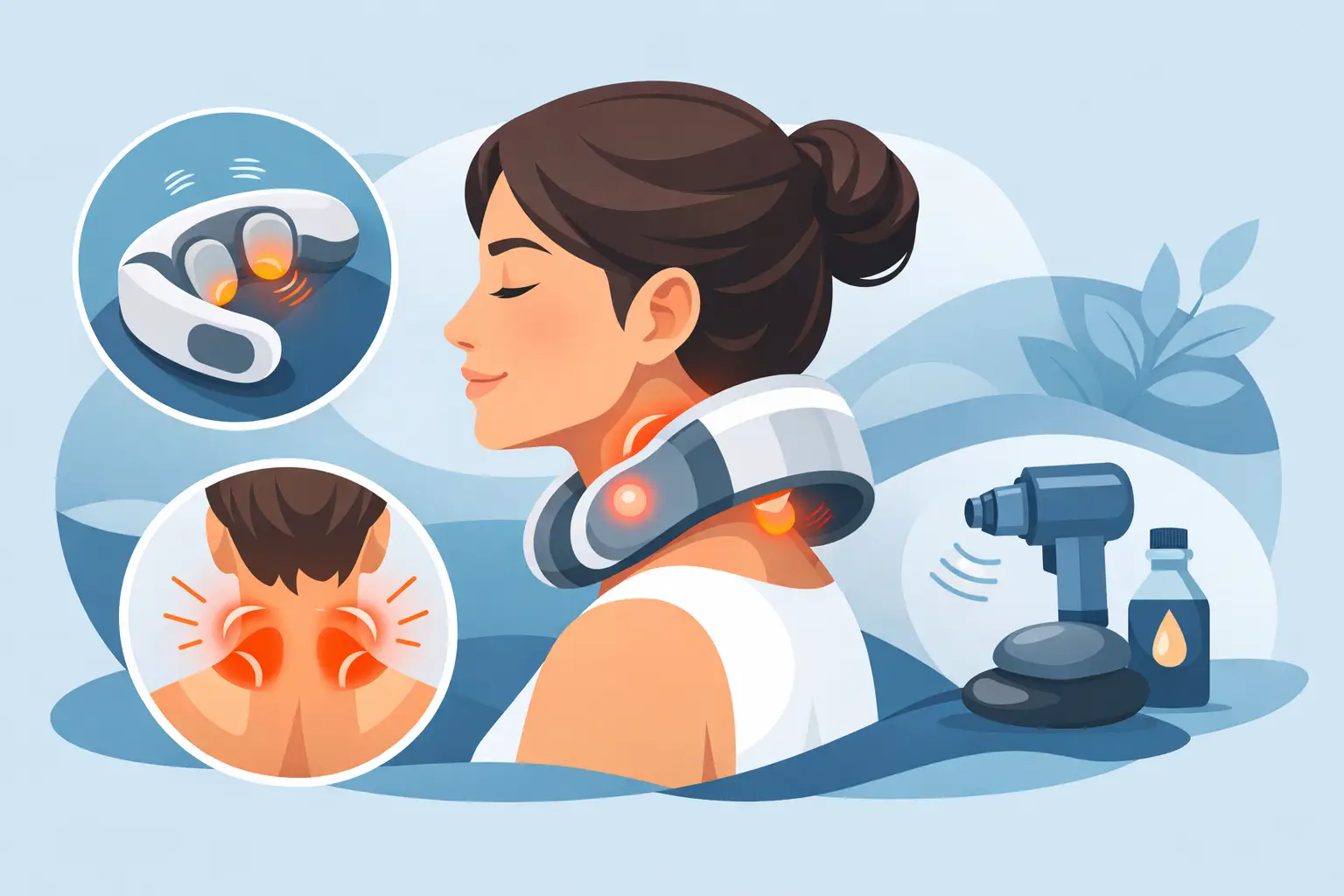
A stiff neck has a way of making everything feel lower quality – your workday, your sleep, even your evening on the sofa. That is why so many shoppers ask, do neck massagers work, or are they just another wellness gadget that looks better in the product photos than it feels in real life?
The short answer is yes, neck massagers can work. But they do not work in every situation, and they do not all work the same way. The best ones can ease muscle tension, improve comfort after long hours at a desk, and turn a rushed routine into something that feels more restorative. What they cannot do is fix every cause of neck pain, especially when the issue goes beyond everyday muscle tightness.
Do neck massagers work for real tension?
For common muscle tension, often yes. Many people carry stress in the upper trapezius, shoulders, and base of the neck. Add laptop posture, long drives, scrolling, and poor sleep position, and those muscles stay switched on longer than they should. A well-designed neck massager can help by applying pressure, movement, vibration, heat, or a combination of all three.
That matters because tension is often less about one dramatic injury and more about repeated strain. When a massager creates a kneading or percussion effect, it may increase local circulation, reduce the sensation of tightness, and help muscles relax temporarily. For someone who finishes the day feeling knotted across the shoulders, that can be a meaningful upgrade.
The key phrase is temporarily. Relief is real, but it is often part of a broader comfort strategy rather than a standalone cure. If your neck keeps tightening because your monitor is too low, your pillow is unsupportive, or your stress level is high, the device may help manage the symptoms without removing the cause.
What a neck massager can actually do
A premium neck massager is best viewed as a convenience tool for repeated relief. It can support a more refined wellness routine at home, especially if you want something available on demand instead of waiting for a spa appointment or booking bodywork.
Most users notice benefits like reduced muscle soreness, a calmer feeling in the shoulders, and improved comfort before bed. Heat can make the experience feel more restorative, while kneading nodes or percussion heads can target that heavy, overworked feeling that builds up after a long day.
There is also a practical advantage. A neck massager gives you consistency. Even a short 10 to 15 minute session can become part of your evening reset, much like a quality throw blanket, a better mattress topper, or a more supportive office chair. It is less about dramatic transformation and more about making daily discomfort easier to manage.
Where neck massagers fall short
This is where expectations matter. Neck massagers are not a substitute for medical care. If your pain is sharp, radiates down the arm, comes with numbness or tingling, follows an injury, or keeps getting worse, a massage device is not the right first move.
They also vary widely in feel and effectiveness. Some people love deep kneading pressure. Others find it too aggressive, especially around the neck where tissues can be sensitive. Vibration-only models may feel relaxing but not strong enough for stubborn knots. Wearable options can be convenient and sleek, but they may not deliver the same intensity as larger pillow-style or shiatsu models.
Body type matters too. A device that fits one person perfectly can sit awkwardly on someone else. That is one reason reviews for the same product can seem contradictory. It is not always that one shopper is right and another is wrong. It is often a question of pressure preference, build, and what kind of discomfort they are trying to relieve.
Which type works best?
That depends on what you want from the experience.
Shiatsu-style massagers tend to be the most convincing if you want a hands-on feel. They use rotating nodes to mimic kneading and often pair well with heat. These are popular for deep, satisfying relief across the neck and shoulders, especially after desk work or travel.
Percussion massagers can work well for larger muscle groups around the shoulders and upper back, though they are not always ideal directly on the front or sides of the neck. They feel more athletic and intense, which some users love and others avoid.
Pulse or EMS-style neck massagers use electrical stimulation rather than mechanical kneading. They are usually compact and modern-looking, which suits a polished lifestyle setup, but the sensation is very different. Some people find them effective and soothing. Others find the feeling unusual or too mild.
Massage pillows are often underrated. Because you can position them under the neck, shoulders, or even lower back, they offer more versatility than a device shaped only for the neck. For shoppers who want value from one refined wellness accessory, that flexibility can be appealing.
Do neck massagers work better with heat?
Often, yes. Heat does not magically solve muscle tension, but it can make a massage feel more effective by helping the area relax. For many people, the combination of warmth and kneading is what turns a basic device into something they use regularly.
This is also where product quality becomes more noticeable. Better models tend to heat more evenly, feel more comfortable against the body, and offer settings you will actually use instead of one overpowering mode. In a premium shopping category, those details matter. A wellness product should feel considered, not clunky.
How to use one without overdoing it
More pressure is not always better. Start with shorter sessions and a gentler setting, especially if you are new to massage devices. Around 10 to 15 minutes is enough for most people. If the area feels sore afterward in a bad way, the pressure is probably too much.
It also helps to think beyond the neck itself. Tightness often spreads across the shoulders and upper back, so targeting those areas can sometimes feel better than pressing directly into the neck. Hydration, better posture, and small workspace adjustments can also make the relief last longer.
If you use a neck massager as part of a nightly wind-down, consistency tends to beat intensity. A few calm sessions each week usually delivers more value than one overly aggressive session that leaves you tender.
Who is most likely to benefit?
People with mild to moderate muscle tension are the best candidates. If your discomfort comes from long hours at a computer, stress, commuting, frequent phone use, or sleeping awkwardly, a neck massager can be a smart lifestyle upgrade.
It can also be a strong fit for shoppers who want wellness at home without adding complexity. A good device offers immediate access to comfort. No scheduling, no setup beyond plugging it in or charging it, and no need to leave the house. That convenience is a real selling point for busy households trying to build a more elevated daily routine.
For gift buyers, neck massagers also make sense because the benefit is easy to understand. They feel indulgent, but they are still practical. That balance between comfort and utility is part of what keeps them popular.
How to choose a neck massager that is worth it
Look first at the massage style. If you know you like firm pressure, kneading models usually deliver more satisfaction. If you prefer lighter relaxation, vibration or pulse-based options may be enough.
Then check adjustability. Multiple intensity settings, optional heat, ergonomic design, and easy controls tend to matter more than flashy extras. Materials matter too. A device that touches the skin should feel smooth, supportive, and well-finished. It is a small detail until you use it often.
Portability may or may not matter depending on your routine. Some shoppers want a device they can use on the couch, in bed, or while traveling. Others are happy with a more substantial at-home model that feels closer to a treatment session. Neither is wrong. It comes down to how you live.
If you are shopping a curated wellness collection, focus on pieces that combine function with comfort and thoughtful design. That is usually where long-term satisfaction lives. At Visagino, the appeal of premium lifestyle products is not just how they look on arrival. It is how naturally they fit into a better everyday experience.
So, do neck massagers work?
Yes, when they are matched to the right need. They work best for everyday tension, stress-related tightness, and routine muscle fatigue. They work less well for pain caused by injury, nerve issues, or structural problems that need professional care.
The best way to think about them is simple: a neck massager is not a miracle device, but it can be an excellent comfort tool. Choose one with the right pressure, realistic features, and a design you will actually want to keep within reach. When a product earns a place in your nightly routine, that is usually the clearest sign it works.











Leave a comment