7 Cold Plunge Tub Benefits Worth Knowing
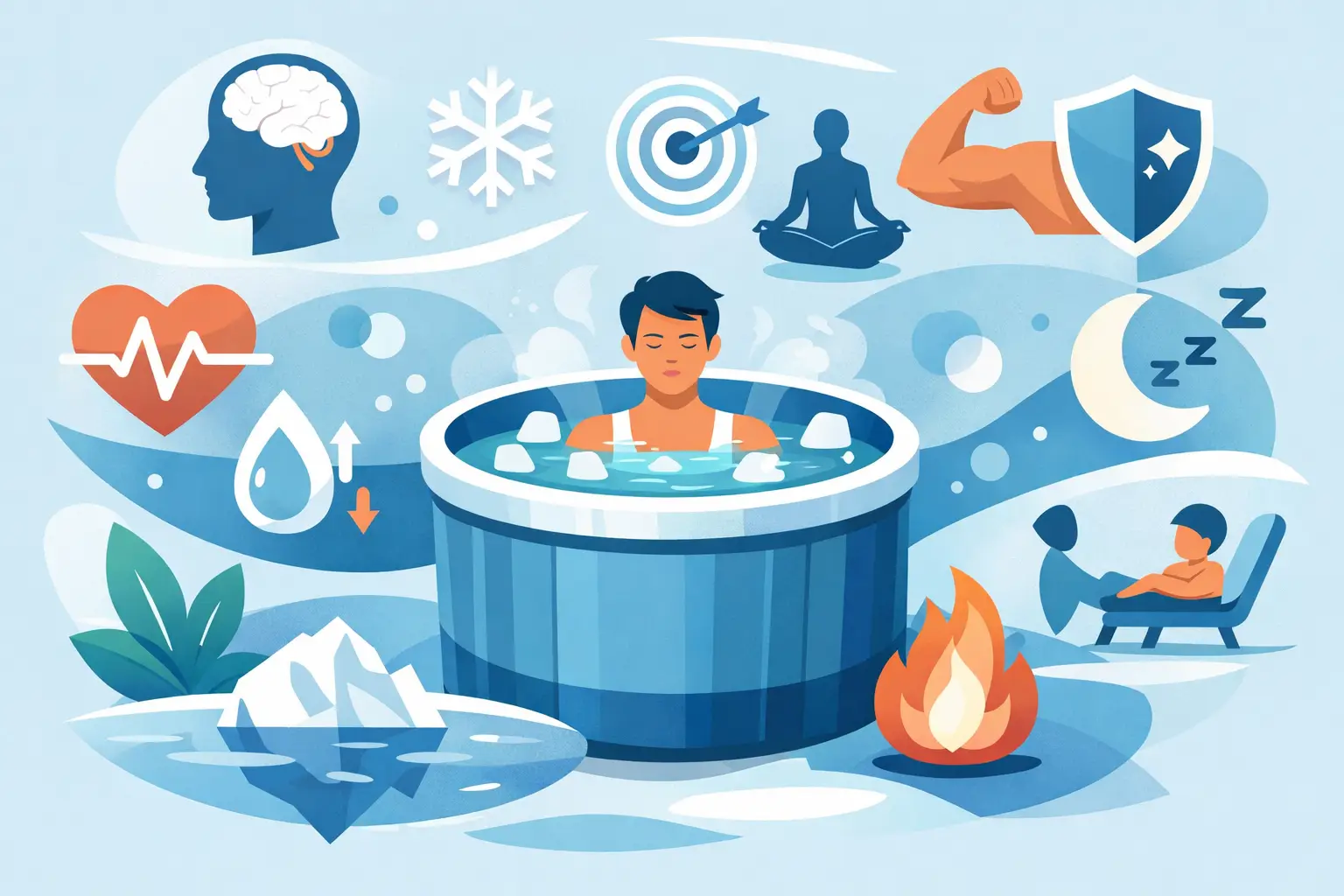
A cold plunge is not the kind of wellness habit you buy for looks alone, even though a well-designed tub can absolutely elevate a bathroom, patio, or recovery corner. The real appeal starts with the cold plunge tub benefits themselves – faster post-workout recovery, a sharper sense of focus, and a daily ritual that feels intentional rather than ornamental.
For people upgrading their homes and routines with more purpose, that distinction matters. A cold plunge tub is both a statement piece and a functional wellness tool. But as with most premium lifestyle purchases, the smartest choice comes from understanding what it actually does, where the benefits are real, and where expectations should stay grounded.
What cold plunge tub benefits actually mean
Cold exposure has moved well beyond pro athlete training rooms. It now sits comfortably in the broader category of at-home wellness, alongside massage devices, saunas, and recovery tools designed to make everyday living feel more refined and restorative.
When people talk about cold plunge tub benefits, they are usually referring to a few consistent effects. Cold water immersion may help reduce the perception of soreness after exercise, create a short-term boost in alertness, and support a more disciplined routine around recovery and stress management. Those are meaningful benefits, but they are not magic. A plunge tub will not replace sleep, hydration, mobility work, or medical care.
That balance is part of what makes the category interesting. It offers a premium experience with practical upside, which is exactly why it appeals to design-conscious shoppers who want their wellness purchases to earn their place at home.
Faster recovery is one of the most talked-about cold plunge tub benefits
If you exercise regularly, this is usually the first reason cold immersion gets your attention. After intense training, many people use cold water to help manage soreness and feel more ready for the next session. The theory is straightforward: cold exposure may help constrict blood vessels and reduce some of the acute inflammatory response that follows hard physical effort.
In practice, that can translate to legs that feel less heavy after lower-body training, less lingering discomfort after long runs, and a better sense of physical reset. For recreational athletes, active adults, and anyone rebuilding consistency in fitness, that matters. Recovery is often what determines whether a routine lasts.
That said, context matters. If your goal is maximizing muscle adaptation from strength training, frequent cold immersion immediately after lifting may not be ideal for every program. Some research suggests that bluntly reducing inflammation right after resistance work could interfere with certain training adaptations. For endurance athletes or people simply trying to feel better day to day, the trade-off may be worth it. For someone in a muscle-building phase, timing may need a little more thought.
Cold exposure can improve alertness and mental clarity
Step into cold water and your body pays attention fast. The initial shock triggers a strong sensory response, often leaving you feeling awake, clear, and noticeably more present once you settle into the experience.
This is one of the more immediate cold plunge tub benefits. You do not need weeks of tracking to notice it. Many people describe a plunge as a hard reset for the mind, especially in the morning or after a mentally sluggish afternoon.
Part of that appeal is physiological, and part of it is behavioral. The cold demands focus. You cannot multitask your way through it. Breathing becomes deliberate, attention narrows, and for a few minutes the noise drops out. In a home environment filled with screens, notifications, and fragmented routines, that kind of forced presence can feel surprisingly luxurious.
It can support stress resilience, with a catch
Cold plunging is often framed as a way to build mental toughness. That idea is not entirely off base, but it deserves a more careful explanation. Repeated, controlled exposure to discomfort may help some people become more composed in stressful moments. There is a difference between choosing a challenging experience and being overwhelmed by one, and the plunge sits in that controlled middle ground.
Over time, the ritual of entering cold water, regulating your breath, and staying calm can become a useful practice in self-control. For busy professionals, parents, and anyone trying to create steadier routines, that can be part of the value.
The catch is simple: more is not always better. If the experience feels punishing, anxiety-provoking, or physically draining, it stops being a high-end wellness upgrade and starts becoming another stressor. The best routines feel sustainable. A short, well-managed plunge done consistently will usually serve you better than extreme sessions you dread.
Better routine design may be the most underrated benefit
Some wellness products are effective because of what they do in the moment. Others are effective because they help organize behavior around them. A cold plunge tub can do both.
Adding one to your home often creates structure. It gives you a clear before-work ritual, a post-training checkpoint, or a dedicated recovery practice that feels separate from the chaos of the day. That matters because routine design is where many lifestyle upgrades either prove their value or fade into the background.
A premium cold plunge setup also removes friction. You are not driving to a spa, waiting on a shared facility, or improvising with a bathtub full of melting ice. Convenience changes consistency, and consistency is usually where benefits become noticeable.
For shoppers who invest in home wellness with the same care they bring to furniture, outdoor living, or bath upgrades, this is easy to understand. The product is not just a container for cold water. It is a way to turn intention into a repeatable practice.
Cold plunge tub benefits can extend to sleep and mood for some users
This is where the answer becomes more individual. Some people report better sleep and a steadier mood when cold plunging becomes part of their week. Others find that timing changes everything.
A morning plunge may leave you energized and focused. An evening plunge might feel refreshing for one person and too stimulating for another. Your nervous system response, workout schedule, and tolerance for cold all play a role.
There is also the mood effect that comes from finishing something difficult by choice. That sense of accomplishment can linger. It is subtle, but it adds up, especially when paired with other healthy routines. You may not buy a plunge tub solely for mood support, but for many users it becomes part of the broader reason they keep using it.
The at-home experience matters as much as the cold
Not every tub delivers the same experience. Design, insulation, footprint, materials, maintenance demands, and ease of temperature control all shape whether the habit feels premium or inconvenient.
This is especially relevant for shoppers who care about how products live inside a space. A cold plunge tub should fit your environment visually and functionally. If it overwhelms a small patio, clashes with a clean bathroom aesthetic, or requires more upkeep than expected, it may lose its appeal no matter how strong the wellness promise sounds.
That is why premium buyers tend to look beyond the headline claim. They want a tub that complements a refined lifestyle, not one that creates clutter or compromise. Quality craftsmanship, ease of care, and thoughtful design are not extras in this category. They are part of the benefit.
Who gets the most value from a cold plunge tub?
The strongest fit is usually someone who already has a reason to use it. That might be regular training, a strong interest in recovery, a disciplined morning routine, or a desire to build a more elevated at-home wellness setup.
It can also make sense for households where multiple people will use it. Shared use improves the value equation, especially when the tub becomes part of a patio lounge area, home gym, or spa-style bathroom arrangement.
On the other hand, if you dislike cold exposure, have no clear recovery routine, or tend to abandon wellness gadgets quickly, the appeal may stay mostly visual. There is nothing wrong with wanting a beautiful setup, but the best premium purchases combine aesthetics with repeated use.
If you are curating a more polished recovery space, Visagino’s approach to lifestyle upgrades makes this category feel especially relevant. The right piece should look considered, perform reliably, and support everyday use without making your home feel like a commercial gym.
Before you buy, keep the trade-offs in view
Cold plunge tubs offer real upside, but they ask for a few things in return: space, maintenance, and commitment. Water care matters. So does cleaning. Depending on the model, you may also need to consider power access, outdoor placement, and year-round weather conditions.
There are safety considerations too. Anyone with cardiovascular concerns, circulation issues, or other medical conditions should talk with a healthcare professional before starting cold immersion. Even for healthy users, gradual exposure is the smarter move. The goal is controlled recovery, not shock for shock’s sake.
That practical lens does not make the category less appealing. It makes the purchase better. A cold plunge tub is at its best when it fits naturally into your space, your schedule, and your version of wellness.
The most compelling cold plunge tub benefits are not just about enduring cold water. They are about creating a home routine that feels sharper, calmer, and more intentionally built around how you want to live.











Leave a comment