Garment Steamer Comparison for Better Results
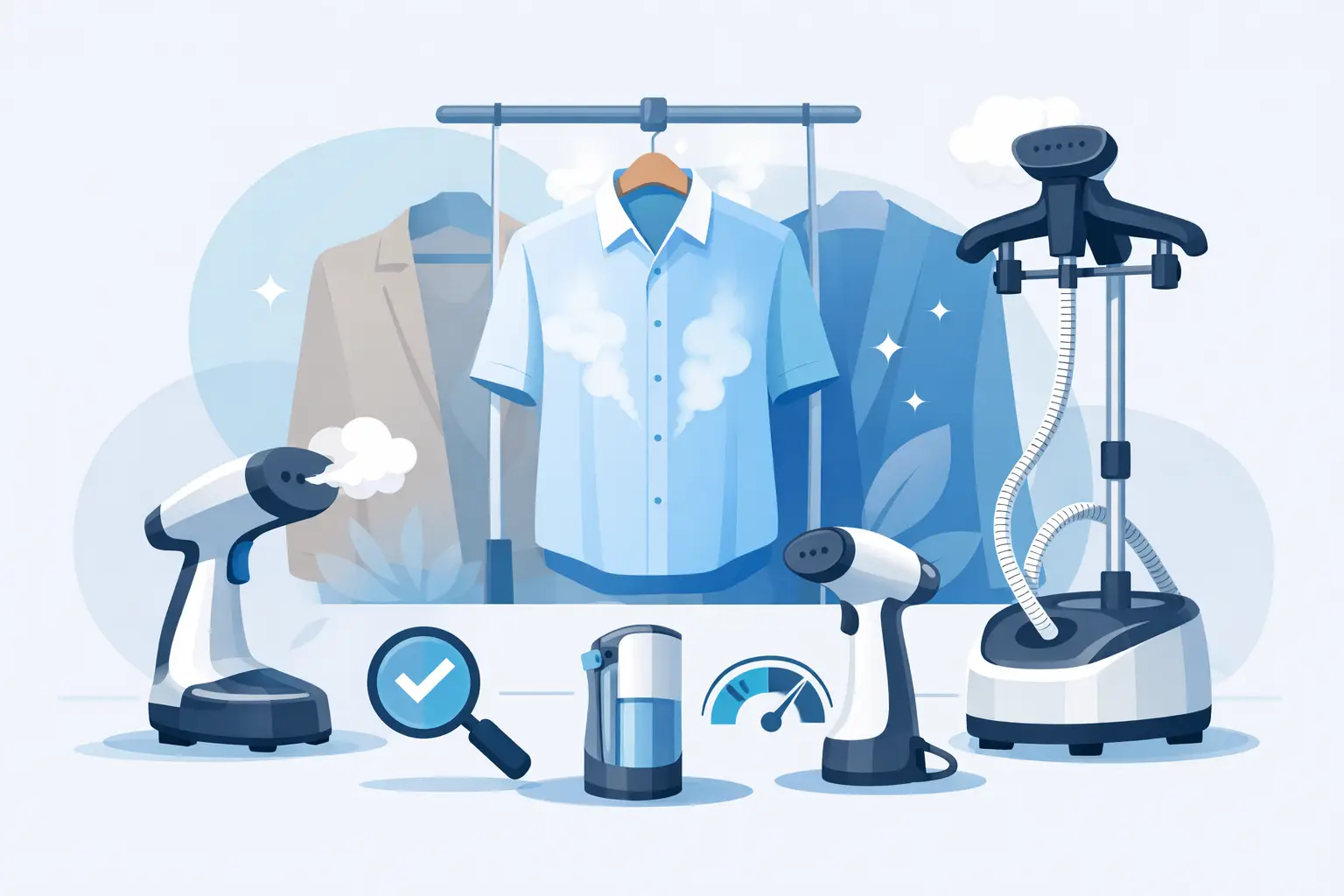
Wrinkled linen five minutes before dinner plans is not a laundry problem – it is a timing problem. That is exactly why a thoughtful garment steamer comparison matters. The right steamer can make everyday dressing faster, protect delicate fabrics, and keep your wardrobe looking sharper without turning garment care into a full production.
Steamers have moved well beyond the old travel gadget category. For many households, they are now part of a more refined clothing care routine, especially for people who wear dresses, blouses, suits, uniforms, or textured fabrics that do not respond well to direct ironing. But not every model earns a place in that routine. Some heat quickly but run out of steam too soon. Others offer long sessions but feel bulky in the hand. The best choice depends less on hype and more on how you actually get dressed.
How to approach a garment steamer comparison
A useful garment steamer comparison starts with one simple question: what are you steaming most often? If your closet leans toward cotton shirts and structured pieces, you may need stronger, more continuous steam than someone who mostly refreshes silk tops, knit dresses, or lightweight separates.
This is where many shoppers get distracted by wattage alone. Higher wattage can suggest faster heating and more power, but it does not automatically guarantee better real-world performance. Steam consistency, nozzle design, and water tank capacity shape the experience just as much. A steamer that pulses unevenly or spits water can leave fabrics looking worse before they look better.
It also helps to think in terms of routine instead of one-time use. A handheld steamer that feels convenient on day one may become irritating if you steam several outfits a week. On the other hand, a large upright model may sound luxurious, but it can be excessive for small apartments or occasional touch-ups.
Handheld vs upright steamers
Handheld steamers appeal to shoppers who value speed, portability, and easy storage. They are ideal for quick refreshes, guest rooms, business travel, and compact homes where every cabinet matters. A good handheld model can take a blouse from closet-creased to polished in a few minutes, and that convenience is hard to overstate.
The trade-off is session length and comfort. Smaller tanks mean more refilling, and lighter units can become wrist-heavy when filled with water. If you regularly steam maxi dresses, drapes, or multiple family garments in one session, a handheld may start to feel like the smaller tool it is.
Upright steamers create a more premium at-home setup. They usually offer larger water reservoirs, stronger continuous output, and accessories such as garment hangers or fabric brushes. They are especially useful for households with formalwear, daily office attire, or fabrics that need frequent refreshing. The drawback is obvious – they take up more space, cost more, and make sense only if you will use them enough to justify their footprint.
For many style-conscious shoppers, the real decision is not which format is better overall. It is which format fits the pace and scale of their wardrobe care.
When handheld is the smarter buy
A handheld model is often the better pick if you want to steam one or two pieces at a time, need something travel-friendly, or prefer a tool you can store out of sight. It suits modern apartments, busy mornings, and people who want convenience without dedicating space to a full garment station.
When upright is worth the upgrade
An upright steamer earns its place when your routine is more demanding. If you steam several outfits every week, care for more delicate fabrics, or want a higher-end laundry setup that feels efficient rather than improvised, the larger format usually pays off in comfort and results.
The features that actually change performance
Steam output matters more than marketing language. Look for a model that delivers steady steam rather than occasional bursts. Continuous performance helps relax fibers evenly, which means fewer passes over the fabric and a cleaner finish.
Heat-up time also deserves attention. A steamer that reaches usable temperature in under a minute works better for real life, especially when you are getting ready in a rush. That said, speed should not come at the expense of control. Some fast-heating models produce aggressive steam that can overwhelm lighter fabrics if you are not careful.
Tank size affects more than convenience. It changes how uninterrupted the process feels. A small tank may be fine for one shirt, while a larger one is better for dresses, jackets, or multiple garments. If you expect to steam several pieces in a row, refilling halfway through becomes tedious quickly.
Nozzle shape and ergonomics are often overlooked, yet they strongly influence satisfaction. A well-balanced handle, intuitive trigger, and thoughtfully designed steam head make the steamer easier to angle around collars, cuffs, seams, and pleats. Premium-feeling products tend to get these details right, and those details matter over time.
Fabric care is where quality shows
The best steamers do more than remove wrinkles. They help preserve the look and feel of elevated fabrics. Silk, satin, chiffon, wool blends, and embellished garments all benefit from steam when handled correctly, but they also expose weaknesses in poor-quality machines.
If a steamer spits droplets, leaves damp patches, or runs too hot without control, delicate fabrics can suffer. That is why adjustable settings are worth considering, particularly if your wardrobe includes a mix of sturdy and sensitive materials. Lower settings give you better margin for error, while stronger settings help with denim, cotton, and thicker blends.
Steamers are also excellent for refreshing garments between washes. They can help reduce minor odors, release creases from storage, and revive the drape of fabrics that look tired after hanging in a closet. This is less about replacing laundering and more about extending that freshly finished look.
Garment steamer comparison by lifestyle
If you travel often, prioritize compact design, dual-voltage compatibility if available, and a leak-resistant build. In this category, perfect steam power is less important than portability and reliability. You want a model that fits neatly into a suitcase and still leaves your wardrobe presentation-ready.
If you dress for the office, events, or polished daily wear, aim higher. A stronger handheld or compact upright model will likely deliver better value because it can handle repeated use without feeling underpowered. This is especially true if you wear blazers, trousers, dresses, or button-downs that need regular touch-ups.
If your household steams for multiple people, tank size and durability rise to the top. A machine that works beautifully on one garment but struggles through a family routine is not a premium experience. In that case, upright models often make more sense.
And if aesthetics matter, as they do for many shoppers building a more refined home, design should not be dismissed as superficial. A well-designed steamer that stores elegantly and feels considered in the hand is more likely to become part of your routine instead of ending up unused in a closet.
What not to overpay for
Some extras sound impressive but add little to daily use. Too many attachments can create clutter instead of value, especially if you only ever use one brush head. Oversized tanks can also be unnecessary if you steam infrequently, since larger units are heavier and less convenient to store.
There is also a point where power becomes more than most wardrobes need. If your primary goal is refreshing blouses, knitwear, and occasion pieces, you may not need the strongest model on the market. Paying for industrial-level output only makes sense if your volume and fabric mix justify it.
For shoppers seeking a premium balance of performance and style, the strongest buy is often the steamer that feels easiest to live with. Reliable heat, consistent steam, comfortable handling, and fabric-friendly results will outperform flashy specs every time.
A smart buying standard
A strong garment steamer comparison should leave you with a clearer picture of fit, not just features. The right model matches your space, wardrobe, and expectations for convenience. It should feel like an upgrade to your routine, not another appliance asking for compromise.
That is the real benchmark for better buying. When a steamer helps your clothing look more polished, protects the pieces you love wearing, and makes last-minute prep feel effortless, it has already justified its place. If you are curating a more elevated home and wardrobe experience, that kind of everyday performance is exactly the standard worth shopping for.










Leave a comment