Patio Heaters That Extend Outdoor Season
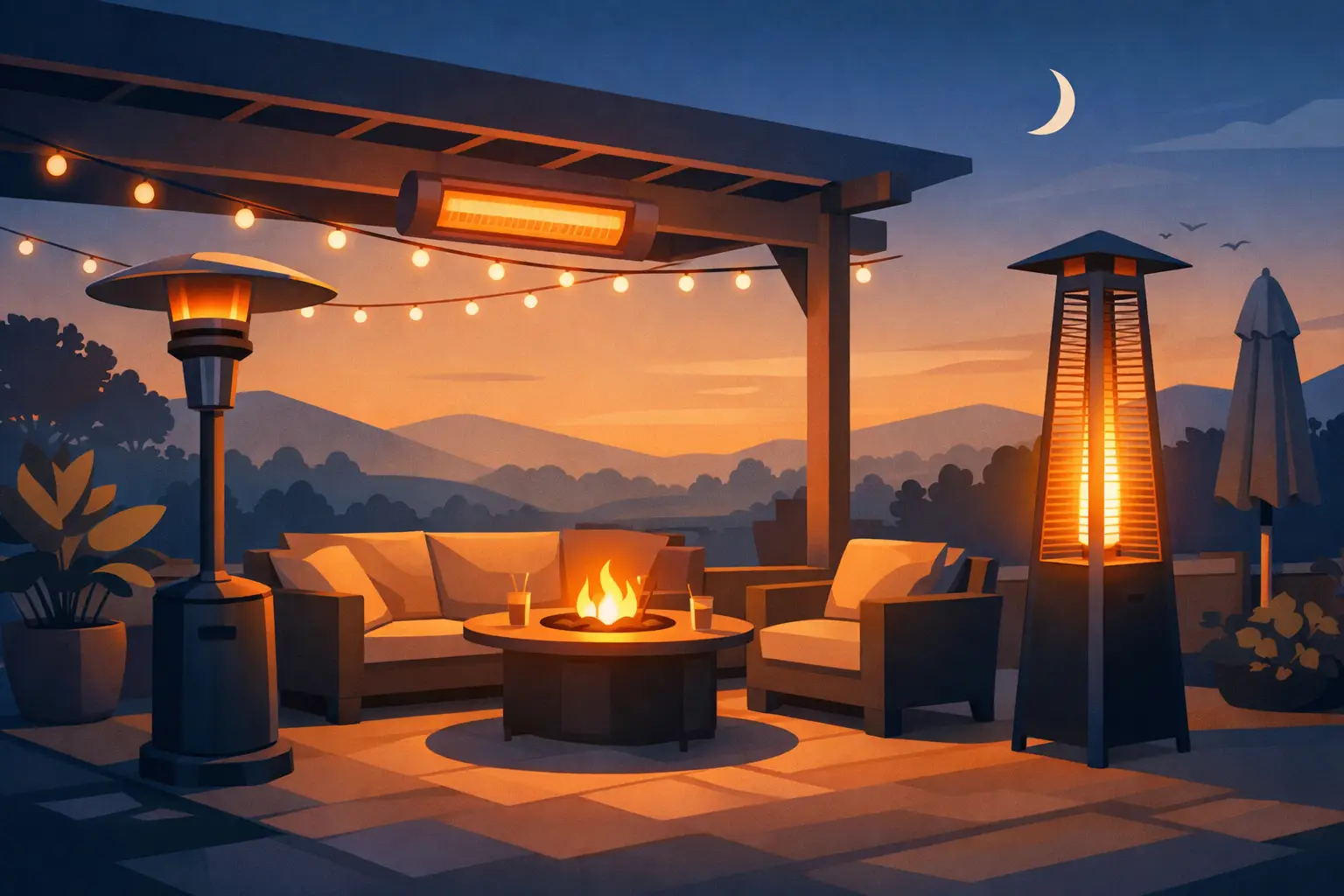
The evening usually gets good right when the temperature drops. One more round of drinks, dessert outside, a slower conversation under string lights – and suddenly everyone is reaching for a blanket. That is exactly where patio heaters earn their place. They do more than add warmth. The right one protects the mood of the space, extends the season, and makes an outdoor setup feel intentionally designed rather than weather-dependent.
For homeowners, renters, and anyone investing in a better backyard or balcony, patio heaters sit at the intersection of comfort and presentation. They are practical, yes, but they also shape how a space gets used. A polished patio with no heat often goes empty after sunset. A well-heated one keeps working for dinners, quiet mornings, casual hosting, and those in-between nights when it is not cold enough to cancel plans but not warm enough to linger without help.
Why patio heaters matter more than people expect
Outdoor living has changed. Patios are no longer treated like bonus square footage that only gets used a few weekends a year. They have become extensions of the home – styled, furnished, and expected to perform. Once you add seating, a dining set, a pergola, or a fire feature, the weak point is usually temperature.
That is why patio heaters are less of an accessory and more of a finishing piece. They give structure to outdoor routines. Breakfast on a crisp morning becomes realistic. Fall entertaining feels elegant instead of improvised. Even a smaller deck or covered patio gains a more luxurious, usable feel when warmth is built into the experience.
There is also a design argument for them. A heater that matches the scale and style of your space can make the entire area feel more considered. The best outdoor setups rarely rely on a single hero item. They work because each element supports the atmosphere, and heat is part of that atmosphere.
Choosing patio heaters by how you actually live
The smartest way to shop is not by starting with fuel type or BTU output. Start with behavior. Are you hosting groups around a dining table? Warming a compact balcony? Adding comfort to a lounge area? Trying to heat an open patio in a windy yard? The answer changes everything.
If you entertain often, freestanding patio heaters usually make sense because they create a visible heat source and can cover a social zone effectively. They also carry presence. In a larger outdoor setting, that matters. A heater should not look undersized next to premium seating and substantial furniture.
If your space is tighter, electric models can be a cleaner fit. They tend to feel more streamlined and less intrusive, especially on balconies, small patios, or covered spaces where floor area matters. They are often chosen as much for convenience and visual restraint as for performance.
For households that want flexibility, portability is a real advantage. Being able to move a heater from a dining area to a conversation set gives one purchase more value. But there is a trade-off. The more mobile the unit, the more you may need to think about storage, fuel access, and stability.
Gas vs electric patio heaters
This is where preference matters more than blanket advice. Gas patio heaters are often favored for stronger heat output and greater freedom in placement. They do not depend on nearby outlets, which can make layout planning easier. For larger patios and open-air entertaining, they are often the more capable choice.
That said, gas comes with maintenance considerations. You need fuel, room for safe operation, and a little more attention to setup. For some buyers, that is no issue. For others, it becomes the reason the heater gets used less often than expected.
Electric patio heaters appeal to shoppers who want convenience and a more refined day-to-day experience. Turn them on, enjoy the warmth, and skip the propane tank. They are especially attractive in design-conscious spaces where a cleaner silhouette matters. The trade-off is coverage and placement. You need access to power, and depending on the model, heat may feel more targeted than expansive.
Neither option is universally better. The better question is which one aligns with your space and your habits. If you want immediate simplicity, electric is compelling. If you want stronger heat for larger gatherings, gas may be the better investment.
Size, coverage, and the mistake people make most
The most common buying mistake is assuming one heater can warm an entire outdoor area the way an indoor system warms a room. Outdoor heating is more localized. Wind, ceiling height, open sides, and furniture layout all affect performance.
A compact patio heater can be perfect for a pair of lounge chairs and completely underpowered for a long dining table. A high-output model may sound impressive on paper but feel inefficient if the heat is dispersing into a wide, exposed yard. This is why matching the heater to the zone matters more than chasing the biggest number.
Think in terms of heat islands. Where do people sit longest? Where do guests gather naturally? Those are the zones that deserve coverage. In many outdoor spaces, two smaller, well-placed heaters create a more comfortable experience than one oversized unit in the wrong location.
Style matters, because outdoor heating is visible
Unlike many functional purchases, patio heaters are rarely hidden. They stand in the middle of the experience. That means finish, shape, and proportion all matter. A sleek modern patio can look cluttered by a bulky heater with a commercial feel. A traditional backyard setup can look strangely cold if the heater feels too industrial or minimal.
The premium approach is to treat the heater as part of the furnishing plan. Look at finishes that complement your outdoor dining set, lounge furniture, or architectural details. Black, stainless, and matte neutrals tend to integrate easily, but the right choice depends on whether you want the heater to blend in or serve as a design anchor.
This is especially true in elevated outdoor spaces where every element has been selected for effect. A heater should support the atmosphere, not interrupt it. In a curated assortment, details like form factor and finish carry almost as much weight as raw performance.
Safety and placement without the guesswork
A patio heater should make the space more relaxing, not more stressful. Proper placement is part of the value. Freestanding models need enough clearance from ceilings, umbrellas, and nearby structures. Tabletop versions may be charming, but they still require stable positioning and awareness of surrounding materials.
Covered patios deserve extra attention. Some heaters are designed for these spaces and some are not. It depends on the model, the clearance requirements, and ventilation. This is one area where buyers should be realistic rather than aspirational. The sleekest option is not the best one if it does not suit the space safely.
Families should also think about traffic flow. A heater placed directly in a walkway or next to active seating can become more of a nuisance than a luxury. Good placement feels natural. People stay warm without needing to constantly work around the equipment.
When a patio heater becomes a better investment
A patio heater is easiest to justify when it protects the value of the rest of your outdoor setup. If you have already invested in furniture, lighting, planters, or a covered structure, adding heat helps those purchases deliver more use. It turns a seasonal area into a more dependable part of the home.
This matters even more for shoppers building a premium outdoor look. Comfort is part of luxury. A space can be visually beautiful, but if guests are cold after twenty minutes, the experience falls apart. Heat keeps the setting usable and the mood intact.
There is also value in frequency. A heater that encourages you to use the patio twice as often changes the return on the entire space. Morning coffee outside in October. A late dinner in early spring. Weekend hosting without checking the forecast three times. Those moments are where the purchase starts to feel smart rather than indulgent.
What to look for before you shop
The strongest purchase decisions usually come down to four things: space size, fuel preference, design fit, and how often the heater will actually be used. If all four line up, satisfaction tends to be high. If one is off, the heater may still work, but it will feel like a compromise.
Shoppers building a refined outdoor setup should also pay attention to finish quality, ease of operation, and the overall presence of the unit. Premium living is not just about appearance. It is also about products that feel good to use repeatedly.
For customers browsing elevated outdoor essentials, patio heaters are one of those upgrades that pay off quickly. They change behavior. They draw people outside more often, keep gatherings going longer, and make a space feel complete. At Visagino, that kind of upgrade fits the larger idea of living well – choosing pieces that bring comfort, style, and more use out of the spaces you care about.
When the air turns cool but the evening still has something left to offer, the right heater lets you stay for it.










Leave a comment