8 Smart Home Decor Trends That Feel Luxe
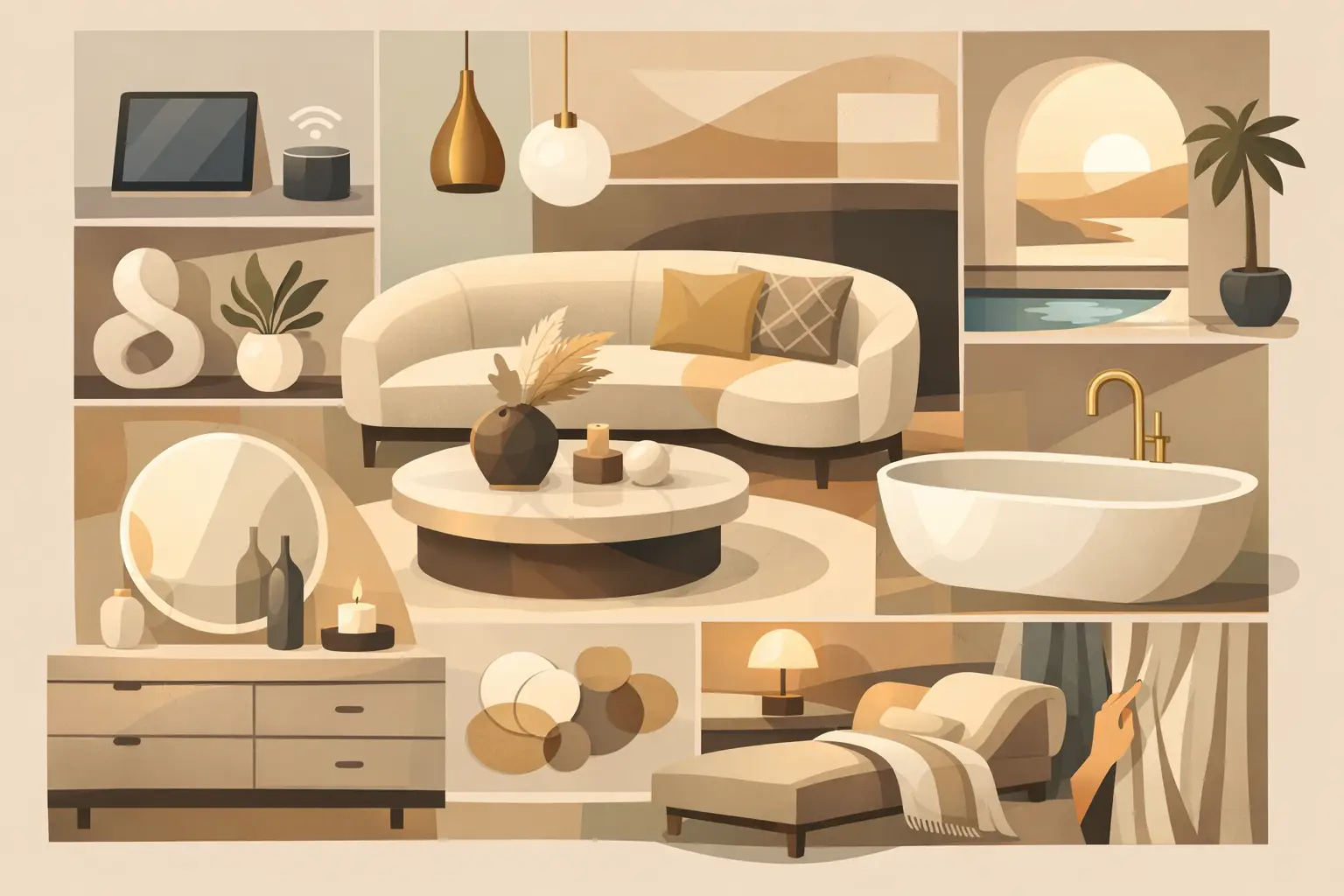
A beautiful room used to ask you to hide the tech. Now, the most compelling interiors let technology work quietly in the background while the space still feels warm, composed, and distinctly personal. That shift is what makes smart home decor trends so interesting right now – they are less about novelty and more about living well.
For style-conscious homeowners and renters, that means fewer flashy gadgets on display and more thoughtful upgrades that support comfort, convenience, and a polished look. The smartest homes no longer read like showrooms for electronics. They feel curated, calm, and intentionally designed.
Smart home decor trends are getting quieter
The biggest change is visual. Earlier waves of smart home products often announced themselves with glossy plastics, bright indicators, and oversized profiles. Today, premium buyers are gravitating toward pieces that blend into the architecture of a room or elevate it.
Think lighting with slimmer silhouettes, speakers that resemble sculptural decor, projectors that preserve a clean entertainment setup, and control panels that do not dominate the wall. Even everyday essentials, from air purifiers to pet accessories, are being chosen with finish, form, and placement in mind.
This matters because convenience alone is rarely enough in an upscale home. A product can be packed with features, but if it interrupts the atmosphere of a bedroom, media lounge, or outdoor entertaining area, it often feels like a compromise. The new standard is simple – smart products should add function without lowering the design quality of the space.
Layered lighting is leading smart home decor trends
If one category defines the current moment, it is lighting. Smart lighting has matured from a color-changing novelty into one of the most effective ways to shape the mood of a home. The appeal is not only app control. It is the ability to build a room that adapts throughout the day.
In a refined living room, that might mean bright, energizing light in the morning, softer ambient lighting in the evening, and low accent lighting for entertaining. In a bedroom, it can support a more restful routine by gradually dimming before sleep. In kitchens and bathrooms, it creates practical visibility without forcing every fixture to operate at full intensity all the time.
The design takeaway is just as important as the technology. Smart lighting works best when layered. A single overhead fixture with advanced controls will never create the same richness as a mix of pendants, sconces, floor lamps, and subtle accent sources. The trend is moving toward rooms that feel lit, not merely illuminated.
There is a trade-off, of course. More layers mean more planning, and premium lighting setups can cost more upfront. But this is also one of the few upgrades that changes how a home looks and feels every day, which is why many shoppers see it as money well spent.
Hidden entertainment is replacing bulky setups
Home entertainment is becoming more design-conscious. Instead of building a room around a dominant television and visible accessories, more households are looking for ways to keep media setups sleek and integrated.
Projectors are part of that shift, especially for buyers who want a cinematic experience without a large black screen taking over the wall when not in use. Compact audio products with cleaner lines are also becoming more appealing, as are furniture pieces that conceal cables, accessories, and charging zones.
This trend works particularly well in homes where one room needs to do several things. A family room may function as a lounge, a conversation space, and a movie zone. A bedroom may double as a retreat and a place to watch shows. Smart decor choices help these rooms stay versatile instead of permanently looking like entertainment centers.
The right setup depends on the household. Serious movie lovers may still prefer a large dedicated display. Others care more about preserving a sophisticated aesthetic during the day. The rise of hidden entertainment reflects that broader shift toward flexibility.
Wellness technology is becoming part of the decor
The home is no longer just where people live. It is also where they recover, recharge, and reset. That is why wellness-focused technology has moved from niche interest to a strong influence on interior choices.
Massage devices, air-quality products, humidification, light-based routines, and sleep-supporting accessories are increasingly being selected with the same care people once reserved for furniture and textiles. The expectation is not just performance. It is presence. If a wellness product lives in the bedroom, bathroom, or reading corner, it should feel worthy of the setting.
This is where premium retail curation matters. High-end shoppers are less interested in cluttering a home with one-purpose gadgets that feel temporary. They want products that support a refined lifestyle and fit naturally into existing decor, whether through a better color palette, more considered materials, or a footprint that does not crowd the room.
For families, this trend often extends into shared spaces. A calming corner in a primary suite, a spa-like bathroom update, or a quiet office with controlled lighting and air quality all reflect the same instinct – make the home feel better to be in, not just more connected.
Smart kitchens and bathrooms are looking more elevated
Some of the most practical smart home decor trends are happening in kitchens and bathrooms, where utility has always mattered. What has changed is the level of design attention these spaces now receive.
In kitchens, shoppers are looking for upgrades that reduce visual mess and improve routine. Cleaner countertop organization, more elegant coffee setups, discreet charging, and appliances or accessories with a premium finish all support that goal. The ideal smart kitchen does not feel crowded with devices. It feels efficient, intentional, and easy to maintain.
Bathrooms are seeing a similar evolution. Smart mirrors, better lighting control, upgraded fixtures, and comfort-focused features are helping turn purely functional rooms into more luxurious daily environments. Small improvements can have an outsized effect here because these are the spaces people rely on first thing in the morning and at the end of the night.
The key is restraint. Not every bathroom needs every feature, and not every kitchen benefits from another connected device. The most successful spaces solve real everyday friction while preserving a clean, premium look.
Outdoor areas are joining the connected home
One of the more exciting shifts is that smart design is no longer stopping at the back door. Patios, decks, gardens, and covered entertaining areas are being treated as extensions of the home, not separate zones with lower expectations.
That means outdoor lighting with programmable scenes, projectors for open-air movie nights, portable power solutions that support flexible layouts, and comfort-focused upgrades that make the space more usable throughout the year. For shoppers investing in pergolas, lounge seating, or outdoor dining setups, smart features add convenience without sacrificing atmosphere.
This is especially appealing for people who entertain. Hosting outdoors feels more polished when lighting, music, and power are considered in advance instead of improvised. It also supports a more relaxed experience for the host, which is often the real luxury.
Durability matters here more than almost anywhere else. A stylish outdoor product still has to handle exposure, storage, and changing conditions. The smartest purchase is rarely the one with the longest feature list. It is the one that balances performance, aesthetics, and real-world practicality.
Pet tech is becoming part of the home aesthetic
Pet products are also getting a design upgrade. For households that treat pets as part of the family, bulky plastic accessories can feel out of place in an otherwise carefully furnished home. Smart feeders, cleaning solutions, monitoring tools, and comfort-focused pet essentials are increasingly being chosen for how they look as well as how they work.
This may sound like a small detail, but it reflects a bigger point. Every visible item in a room contributes to the overall impression. As buyers become more selective, they are less willing to accept unattractive essentials simply because they are useful.
A well-designed pet area, like a well-designed workspace or media zone, helps the whole home feel more cohesive. That is exactly where premium, curated shopping earns its place.
The best smart homes still feel human
The strongest trend is not a specific device. It is the move toward homes that feel more intuitive, more tailored, and less visually noisy. Smart products are earning their place when they improve comfort, support routines, and complement the room instead of competing with it.
That is why thoughtful shopping beats trend chasing. A connected home should reflect how you actually live – how you rest, entertain, work, cook, and move through the day. If you are ready to upgrade with that in mind, a curated destination like Visagino can make the process feel far more considered than buying piece by piece from a dozen different places.
Choose fewer things. Choose better finishes. Choose technology that earns the right to be seen, or disappears beautifully when it should. That is where a smarter home starts to feel genuinely elevated.









Leave a comment