How to Choose a Camping Power Station
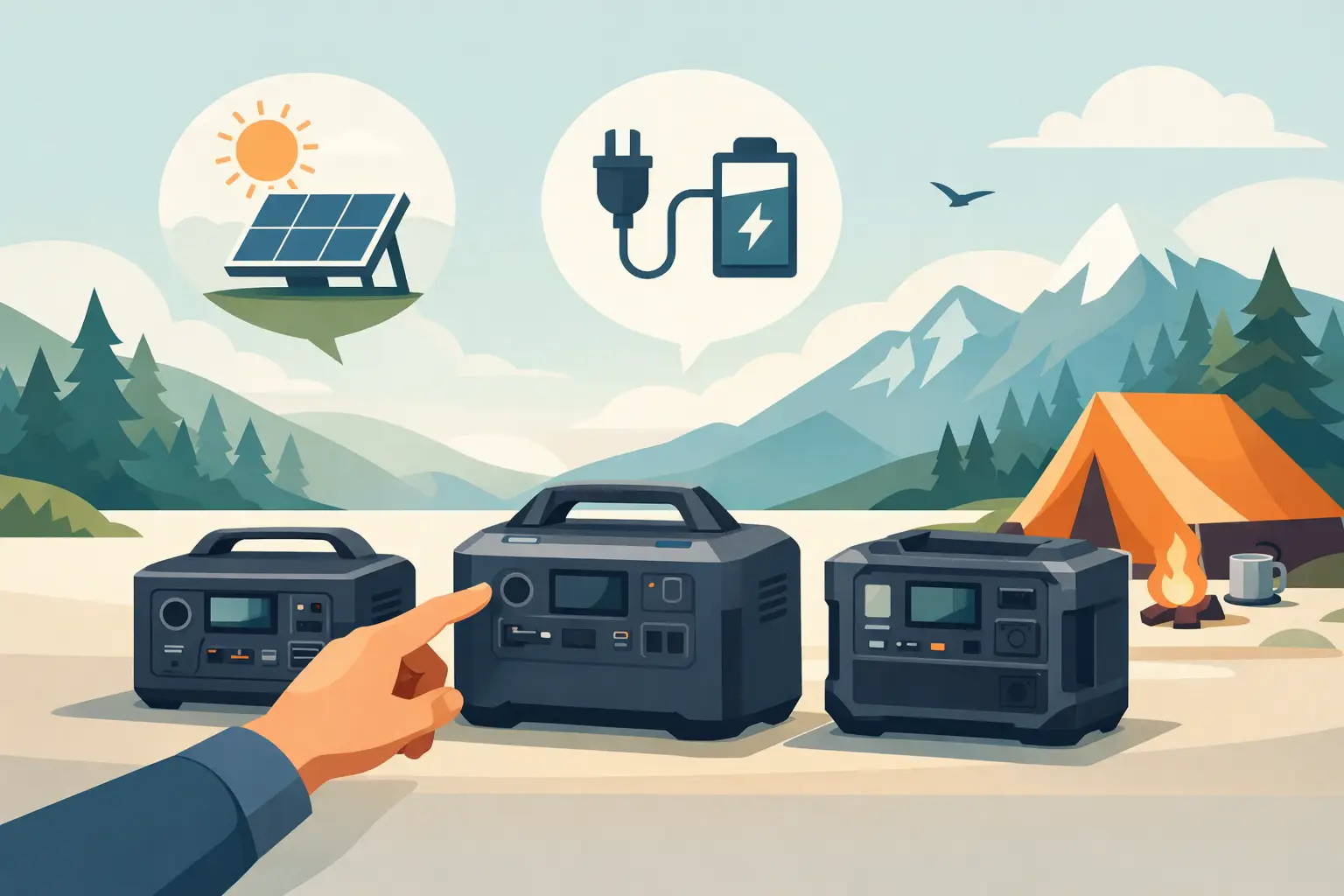
That moment when your campsite gets quiet, the lanterns come on, and your phone is at 12 percent is when power stops feeling optional. A good portable power station for camping is less about gadgets for the sake of it and more about comfort, safety, and staying out longer without compromising the experience.
The best models do more than charge a phone. They can keep a cooler cold, run lights through the evening, top off cameras and drones, and support the small conveniences that make a weekend outside feel polished instead of patched together. The trick is choosing one that fits the way you camp, not just the one with the biggest number on the box.
What a portable power station for camping should actually do
A portable power station for camping is essentially a rechargeable battery with built-in outlets and charging ports. Most units offer a mix of AC outlets, USB-A, USB-C, and sometimes 12V car-style ports. The premium appeal is obvious – cleaner, quieter power than a gas generator, with no fumes, no fuel runs, and no engine noise cutting through the morning.
But not every power station is designed for the same kind of trip. A compact unit is often ideal for tent camping and short weekends, especially if your main needs are lighting, phones, tablets, and a small fan. Larger stations suit longer stays, family campsites, van life setups, and higher-draw appliances like electric coolers, projectors, or a coffee maker.
That difference matters because overbuying has a downside. A huge battery may sound appealing, but if it adds serious weight and takes up half the trunk, it can feel less like an upgrade and more like luggage.
Start with your camping style, not the specs sheet
The cleanest way to shop is to picture your actual setup. If you hike into campsites, portability comes first. If you drive in and stay three nights with kids, convenience and capacity rise to the top. If your trips are equal parts outdoors and content creation, charging flexibility becomes more valuable than raw size alone.
For minimalist campers, a lighter station with fast USB-C charging can be enough. For comfort-first campers, the equation changes. Running string lights, a speaker, an electric blanket pad, or a compact fridge creates a more elevated outdoor experience, but it also means you need more stored energy and enough output to handle several devices at once.
This is where premium shopping pays off. A refined unit is not just about battery size. Better handles, cleaner displays, stronger build quality, quieter operation, and more thoughtful port layouts all improve day-to-day use.
The three numbers that matter most
Specs can get noisy fast, but three measurements tell you most of what you need to know.
Battery capacity
This is usually listed in watt-hours, or Wh. In simple terms, it tells you how much energy the station can store. More watt-hours generally means longer runtime. A smaller unit around 200 to 300Wh works well for charging personal devices and running lights. Mid-range units around 500 to 800Wh give you more freedom for multi-day trips and small appliances. Once you move past 1000Wh, you are shopping for a more serious camp setup.
Output power
This is measured in watts and tells you what the station can run at one time. A unit may have a large battery but still be unable to power high-draw gear if its output is limited. If you want to run a coffee maker, kettle, hair tool, or portable grill, output matters just as much as battery size.
Recharge speed
A beautiful campsite setup loses some appeal if your station takes all day to refill. Faster wall charging is useful before you leave home, while car charging and solar input matter more once you are on the road. If you camp often, this feature tends to become more important over time.
Which devices are worth planning around
Most campers are not trying to power a full outdoor kitchen. They want enough electricity for the products they genuinely use. Phones, headlamps, tablets, Bluetooth speakers, air pumps, and cameras are easy wins. These barely challenge most stations.
The more revealing question is whether you plan to run comfort items. A CPAP machine, portable fridge, heated blanket, laptop, projector, or electric cooler changes the category you should buy from. These devices are exactly why many shoppers move beyond entry-level models.
There is also a style consideration. If your idea of camping includes ambient lighting, movie nights, and a few thoughtful upgrades, your power station becomes part of a more curated outdoor setup. That can be worth it, especially for couples, families, and glampers who want the trip to feel intentional rather than improvised.
Weight, size, and real portability
This is the trade-off many shoppers underestimate. Bigger battery, more power, more runtime – and more weight. A station that feels manageable in the living room can become frustrating once you are carrying it from the car to the site, lifting it onto a picnic table, or shifting gear around a packed trunk.
If you mostly camp by car, a mid-size or large unit may be completely reasonable. If you move campsites often or pack light, portability has to be part of the value equation. Look for sturdy handles, compact dimensions, and a shape that stacks neatly with the rest of your gear.
A product can be premium without being oversized. In many cases, the smartest purchase is the one you will actually bring every time.
Solar charging sounds great, but it depends
Solar compatibility is one of the most attractive features in this category. It adds independence, extends longer trips, and fits the outdoor lifestyle naturally. Still, expectations should stay realistic.
Solar performance depends on panel size, weather, placement, season, and how patient you are. On a bright summer day, it can be a meaningful charging source. In shaded campsites, cloudy conditions, or short winter daylight, it may be better thought of as a supplement rather than your only plan.
If solar matters to you, check that the station supports practical input speeds and pairs with panels that are realistic for your setup. Some campers love foldable panels because they store neatly and look clean at the site. Others try solar once and realize car charging is more useful for the way they travel.
Features that make a power station feel premium
A polished product experience is often found in the details. An easy-to-read screen is more helpful than it sounds, especially when you want a quick sense of battery level, input, and output at dusk. Multiple port types save you from carrying a nest of adapters. Built-in lights can be useful, though not essential.
Battery chemistry deserves attention too. Many modern stations use lithium iron phosphate batteries, often called LiFePO4. These tend to offer longer life cycles and better durability, which can justify a higher upfront price if you camp regularly or want a product that feels like a lasting addition to your gear collection.
Noise level also matters. Most power stations are much quieter than generators, but cooling fans vary. If you are sensitive to sound at night, that small detail becomes surprisingly important.
How much should you spend?
The right budget depends on how often you camp and how much comfort you expect from your setup. If you take a few weekend trips a year and mostly need charging for personal devices, an entry or mid-tier unit is usually enough. If camping is part of your lifestyle and you want a more refined, hotel-meets-outdoors feel, stepping up to a larger, better-built model makes sense.
This is one of those categories where the cheapest option can disappoint quickly. Low-end units may offer limited ports, slower charging, weaker output, or shorter lifespan. A well-chosen premium model often feels like a better value because it performs with less friction and stays useful across more trips.
For shoppers who want a curated selection rather than endless marketplace scrolling, browsing a lifestyle retailer such as Visagino can make the decision feel more focused and elevated.
What to buy for your kind of trip
If your camping style is light and simple, choose a compact station with enough battery for devices, lights, and a fan. If you want more comfort and flexibility, move into the mid-range where you can support coolers, laptops, and longer stays. If your goal is a fully upgraded campsite with family-friendly convenience, entertainment, and appliance support, a larger unit with strong output and faster recharge will deliver the experience you are after.
The best choice is not the most expensive one or the one with the longest feature list. It is the one that fits your version of camping beautifully, supports the gear you actually use, and gives you power without adding hassle. When that balance is right, your campsite feels a little more comfortable, a little more capable, and a lot more enjoyable after the sun goes down.










Leave a comment